

by CHRIS BYRNE, The Toy Guy, President, Byrne Communications, Editor – Global Toy News
The global toy business has always moved fast, but heading into 2026, the pace feels especially accelerated. Trends rise, spread, and peak in near real time, fueled by social media, digital retail, and a marketplace that’s more interconnected than ever.
When properties like Labubu or KPop Demon Hunters break out, demand doesn’t just spike locally — it goes global overnight. That puts added pressure on manufacturers and licensors to react quickly, chasing opportunity before the moment passes. In that environment, Asia continues to play an increasingly central role in shaping what comes next.
China, in particular, remains a critical force. “China is emerging,” says Jay Foreman, CEO of Basic Fun!, pointing to the rapid expansion of the Shanghai Toy & Licensing Show. With U.S. tariffs down from their recent highs, Foreman sees renewed opportunity for Chinese companies to expand globally, and considers it part of a broader upswing across Asian markets. That said, he also notes a downside: Toys are more expensive overall in the U.S.
From a manufacturing perspective, Foreman feels vindicated in his long-held view that moving production out of China is not a long-term solution, pointing to challenges in other locations, including shifting tariffs.
Chinese companies have also stepped up their game in terms of product development and expanding into international markets. At the Shenzhen show last April, exhibitors showcased innovative products, creative licensing applications, trend-aware designs, and original IP, with collectibles standing out as a major growth driver. For Foreman, attending these events is about “mining the opportunities there to see what we can bring here.”

THE GROWING ASEAN MARKETS
Beyond China, the Association of Southeast Asian Nations (ASEAN) is emerging as one of the most promising growth engines in the global toy market. According to Jenny Koo, Deputy Executive Director of the Hong Kong Trade Development Council (HKTDC), Euromonitor estimates project toy sales in the region will grow 8.2% from 2024 to 2029. Indonesia (8.6%), Thailand (8.4%), and Vietnam (9%) are expected to lead the charge.
Koo adds that Hong Kong continues to serve as a vital trading hub supporting this regional growth. January’s Hong Kong Toys & Games Fair continues to evolve, helping exhibitors and buyers capitalize on these expanding opportunities across Asia.
COLLECTIBLES DRIVING EXPANSION
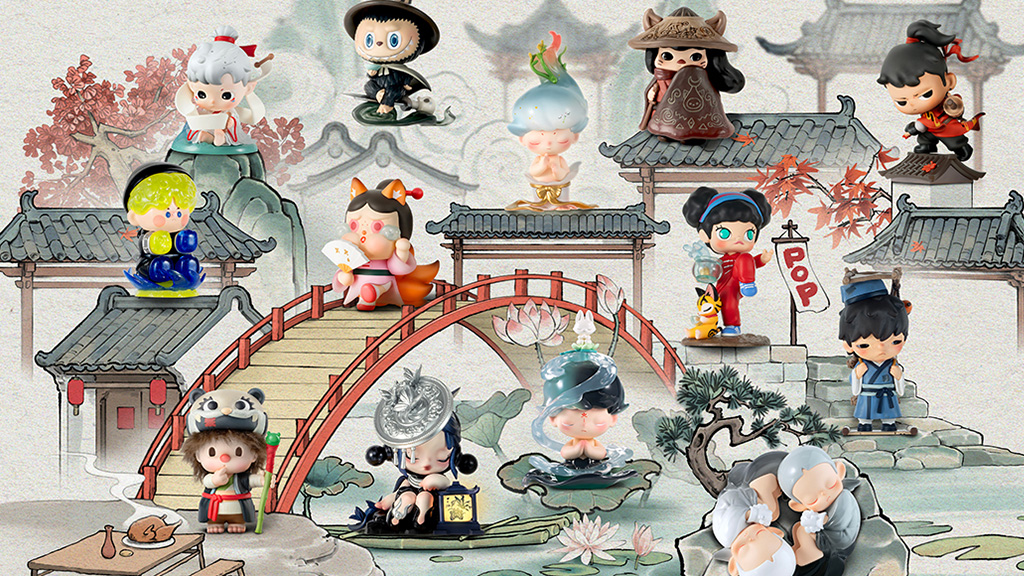
Both Foreman and Koo agree that collectibles will play an outsized role in shaping the global toy market in 2026. Foreman describes the movement as a “social phenomenon that is not about money so much.” Instead, collecting — and shopping in physical stores — has become a shared experience, bringing kids, teens, and adults together around fandom, discovery, and community.
Koo cites HKTDC research that shows the collectibles market in China alone will attract more than 40 million consumers, and that the number of newly registered designer toy companies in China has surged from around 90 a year to nearly 2,000. This research also notes the emotional and social aspects of collecting, particularly among children and young adults.
The Hong Kong Toys & Games Fair is capitalizing on that momentum with the launch of its Pop & Play Zone, which welcomed consumers to the Fair for the first time during the four-day event. At the same time, the fair is spotlighting another fast-growing category: toys and games for seniors. HKTDC data shows that in 2024, searches for senior-friendly toys on Chinese mainland e-commerce platforms jumped 124% year over year, while transaction volume rose more than 70%. The share of consumers ages 55 and older continues to climb steadily.
LOOKING AHEAD
Throughout 2026, the toy industry will continue to evolve, as it has always done, to reflect a changing world, changing consumers, and globalization. This should not come as a surprise to anyone. As digital channels make it easier to expand without physical infrastructure, communication speeds up due to social media, and a middle class grows in Asia, Africa, and Latin America, brands expand their global reach.
Although the playing field may change, the opportunities for wins remain very much present.
Stay on the Pulse of Play!
A version of this feature first appeared in the 2026 International Issue of The Toy Book. Read the full issue here!
Want The Toy Book delivered straight to your desk? Subscribe today and get seven big issues a year — packed with the stories, trends, and insights that keep you on the #pulseofplay.