

by Stephanie Pottick, Esq., Pottick Law PC & Protect for Success
With the high demand for artificial intelligence (AI) and interactive toys, companies of all sizes are scrambling to keep up. Smart toys are everywhere, but it’s important to tread lightly before jumping in. If your toy is interactive, your company needs to comply with all applicable privacy rules and regulations. Toys that talk, listen, and connect to the internet can be privy to — and collect — personal data. It’s like Big Brother is watching, but targeting kids.
First, let’s look at some cautionary tales to see how this could play out. In 2018, VTech was accused of violating privacy laws by collecting kids’ personal information without providing notice and obtaining parental consent first, as well as failing to take steps to secure that data. As part of a settlement with the Federal Trade Commission (FTC), VTech had to pay $650,000.
A decade ago, Mattel discontinued production and service of its interactive toy, Hello Barbie, after receiving backlash that the toy was (in addition to other potential issues) collecting personal information. This included recordings of kids’ voices, which were apparently processed and stored by a third party whose privacy policy disclosed that it could use the data for other purposes.
 Stephanie Pottick, Esq.
With a growing number of products tapping into ChatGPT and other AI-powered services, it’s important to steer clear of potential issues. Here are some best practices to consider when creating interactive, internet-connected toys:
Be mindful of:
- Be mindful of:
- Data Collection and Use: Collect and use only the minimum data necessary.
- Data Handling, Transmission, and Storage: Ensure you handle data in compliance with applicable laws.
- Ensure the third parties you’re working with comply with applicable privacy standards.
- Prioritize privacy and security: Implement a comprehensive privacy policy and ensure adherence to it.
- Educate parents and guardians on how to keep their kids safe when using your toy, game, or service.

And as a heads-up, laws are constantly updated, so it’s essential to stay current. Just because you set it up properly doesn’t mean you’ll always be in compliance, so regularly revisit your policies and procedures to ensure they are up to date.
The above also applies to augmented reality (AR) and virtual reality (VR), so be sure to consider the laws and protect kids’ privacy throughout the process of creating, launching, and maintaining your interactive products (and realities). This may seem overwhelming, but knowing your obligations is an essential first step. Stay safe and stay legal!
Disclaimer: This article is for informational purposes only and not intended as legal advice. Don’t rely on anything without doing your due diligence first.
Stay on the Pulse of Play!
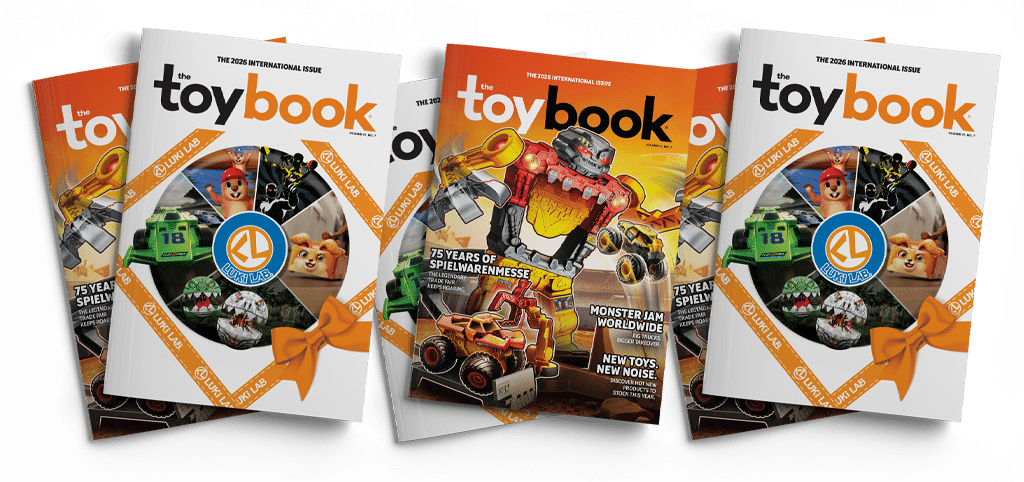
A version of this feature first appeared in the 2026 International Issue of The Toy Book. Read the full issue here!
Want The Toy Book delivered straight to your desk? Subscribe today and get seven big issues a year — packed with the stories, trends, and insights that keep you on the #pulseofplay.