
by MALTE NIEBELSCHUETZ, The Sustainable Toy Guy
For many years, sustainability has been a frequent topic of conversation across the toy industry.
While we’ve seen admirable steps from eco-friendly packaging to greener materials and corporate pledges, real transformation still remains incremental. Now, rising tariffs on goods manufactured overseas — particularly in China — may do what good intentions alone could not: make sustainability a strategic and urgent priority for toy and game makers.
Tariffs aren’t just an economic inconvenience. They are a historic signal that the era of default offshore manufacturing is nearing its limits. Rather than view them purely as a threat, the toy industry has a once-in-a-generation opportunity to fundamentally rethink how and where it makes toys.
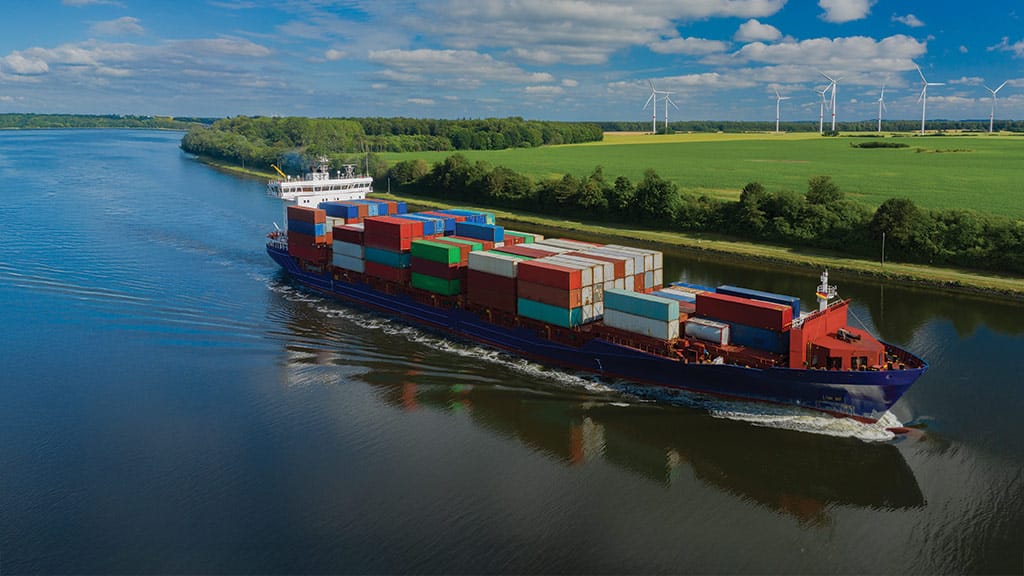
For decades, China offered the “easy button” solution: affordable labor, established supply chains, and efficient mass production. But that came at a cost. Ocean freight emissions, limited transparency into labor practices, and growing geopolitical risks have all been part of the hidden price tag.
Moreover, many consumers and retail buyers have been sending clear signals that they want alternatives. “Made in the USA” and “non-China sourcing” are no longer niche preferences; they are increasingly seen as important differentiators. One well-known U.S. toy supplier who recently shifted production to China faced significant backlash from specialty buyers — a sharp reminder that product origin matters deeply to a growing portion of the market.

Importantly, relocating toy manufacturing isn’t something entirely new. As Matt Nuccio of Design Edge recently pointed out, “Decades ago, our toys proudly said ‘Made in America.’ Then they said, ‘Made in Japan.’ Later, it was ‘Made in Taiwan,’ followed by ‘Made in Hong Kong,’ back when Hong Kong was still under British rule. Eventually, it became ‘Made in China,’ where factories evolved into fine-tuned machines for producing safe, affordable, and magically complex toys at scale.”
The good news is, real solutions exist. In many ways, we are simply entering the next natural cycle at the brink of the fifth Industrial Revolution. Advances in automated, decentralized manufacturing make it possible to build highly efficient, sustainable production facilities closer to the end customer. This isn’t about bringing back low-wage factory jobs. It’s about creating high-skill, high-tech manufacturing opportunities, with shorter, greener supply chains, and dramatically greater control over quality, ethics, and sustainability standards.
Imagine toys made in smaller, automated facilities across North America. Toys produced closer to demand minimize shipping emissions and support regional economies. Brands that embrace this model won’t just mitigate tariff impacts; they’ll gain a powerful competitive advantage with retailers and consumers who are actively seeking transparency, ethical sourcing, and local stories they can proudly support.
Tariffs are not a passing inconvenience. They are a turning point. In an era where consumers are asking for more alignment between their values and the products they buy, our industry’s future belongs to those who see this moment for what it is: a rare and urgent opportunity for change.
The companies that start adapting to rethink supply chains and invest in sustainable production while authentically telling their story will not only survive this new landscape, but will also define the next generation of toys and games.
Sustainability isn’t just about doing less harm. It’s about building something better. Now, more than ever, is the time to make it happen.
Stay on the Pulse of Play!
A version of this feature first appeared in The Toy Book‘s 2025 Specialty Toys & Gifts Issue. Click here to read the full issue!
Want The Toy Book delivered straight to your desk? Subscribe here and never miss a beat in the world of toys and play! Get seven big issues in print each year.