
It was a strong quarter for Hasbro, powered by Magic: The Gathering, Peppa Pig, G.I. Joe, Marvel, Monopoly, and Beyblade.
As the company continues executing its “Playing to Win” strategy, the results are taking shape: Games and licensing are fueling momentum, new fans are coming aboard, and core toy lines are holding their ground amid a challenging U.S. retail landscape.
While consumer products have softened stateside, point-of-sale (POS) trends have turned positive over the past two months. More than half of Hasbro’s kid-focused portfolio rings in under $20 — a key value proposition heading into the holidays. With raised guidance for 2025 and long-term confidence in both toys and games, Hasbro is playing offense.
Following the company’s earnings call this morning, The Toy Book spoke with Hasbro CEO Chris Cocks to dig deeper into the company’s growth drivers and what lies ahead.
The Toy Book: There was a lot of talk this morning about the success of Hasbro’s licensing business. Which brands are performing especially well under your outbound licensing programs?
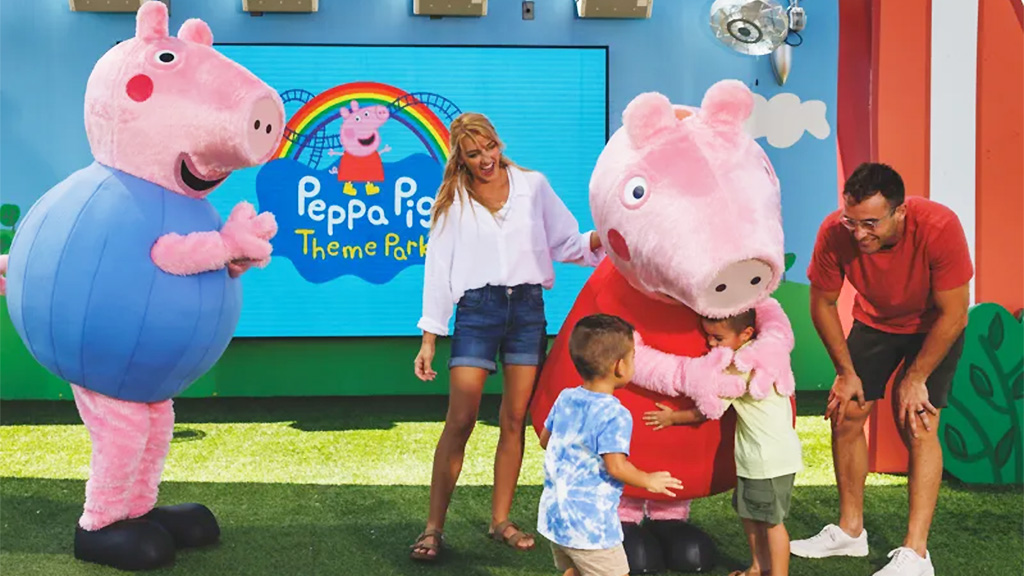
Chris Cocks: Our licensing business is up about 60% over the last three years. It’s pretty broad-based in terms of where we’re seeing payoffs in and what categories. Location-based entertainment (LBE) has been a huge grower for us. We’ve gone from around 100 LBE outlets in 2022 to closing in on 200 active and open locations this year. That’s everything from a Transformers quick service restaurant in Shanghai to a Peppa Pig theme park in Orlando to a NERF play center in New Jersey. I think Hasbro is only behind Disney in terms of LBE. We welcomed more than 50 million people last year who visited our different locations.
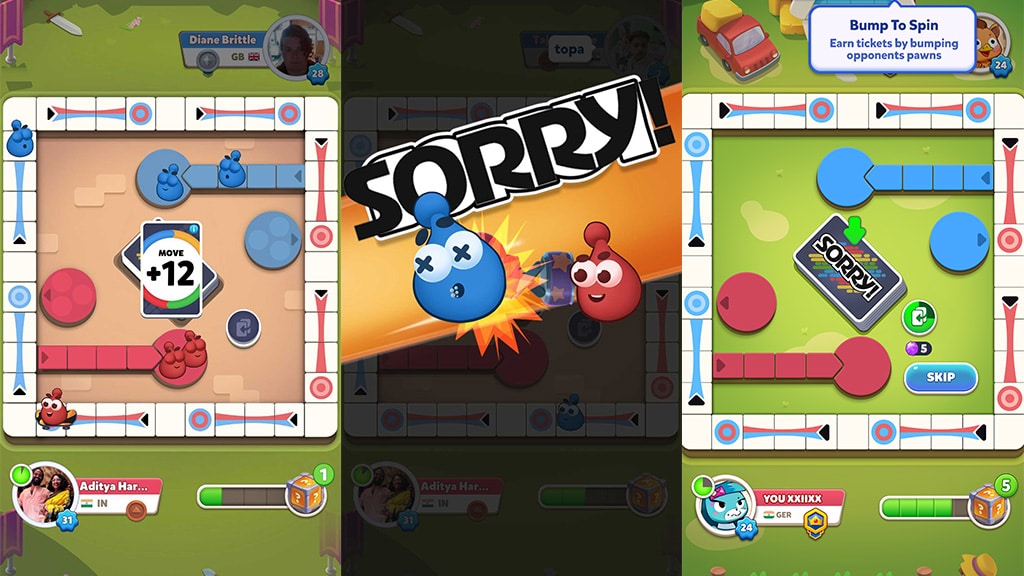
Digital games have also been a massive driver. Monopoly Go! is just a juggernaut that’s sustaining well. And we just launched Sorry! World with Gameberry Labs. It’s not at Monopoly scale yet, but in its first week, it topped Android downloads and cracked the Top 10 on iOS. It just shows the power and familiarity of our board game portfolio.
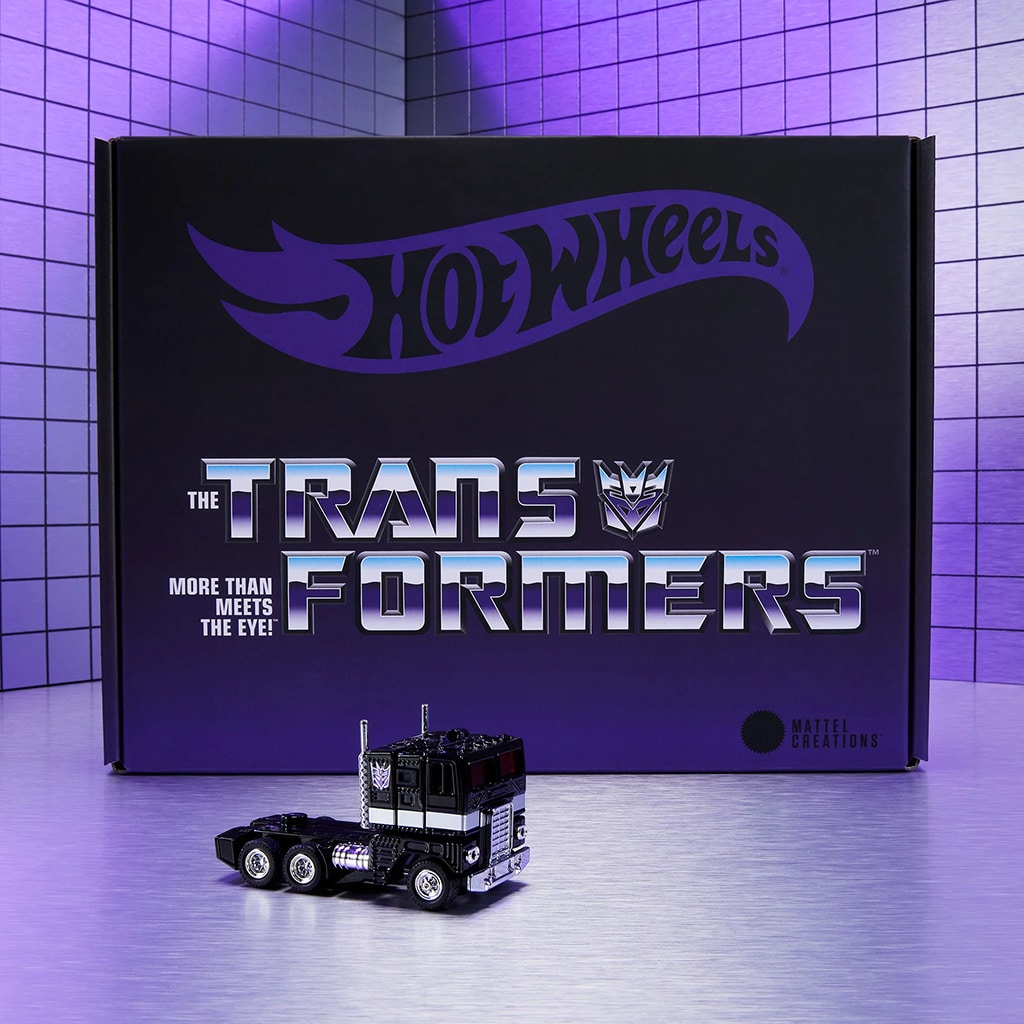
In toys, I think we’ve done a good job with selective partnerships. Littlest Pet Shop, which we’re doing with Basic Fun!, has gone from nowhere to being on track to be a $40-50 million brand this year. Even brands that were active in, like with Play-Doh, we do compound-specific licenses that have meaningfully grown the brand’s footprint. And for Transformers, beyond our own action figures — where POS is up year-to-date — the brand is performing even better overall because we have partners doing die-cast, figurines, and vehicles, including our collaborations with Mattel’s Hot Wheels.

TB: With Wizards of the Coast and Digital Gaming revenue up 42% this quarter, what’s the balance these days between local game stores and mass retail? Are hobby stores still the core of Magic: The Gathering?
CC: Oh yeah, game stores are the bread and butter — the heart and soul — of Magic: The Gathering. They’ve consistently stayed in the 70–80% range of total Magic revenue. E-commerce and mass retail have grown quickly, especially since we started doing Universes Beyond, but the hobby market holds steady. It shows how enduring and engaging that channel is.
When you look at hobby, you might think we’re at ubiquitous penetration, but in a typical game store, only about 15-20% of customers actually play Magic. There’s still plenty of upside within that fan and customer base.
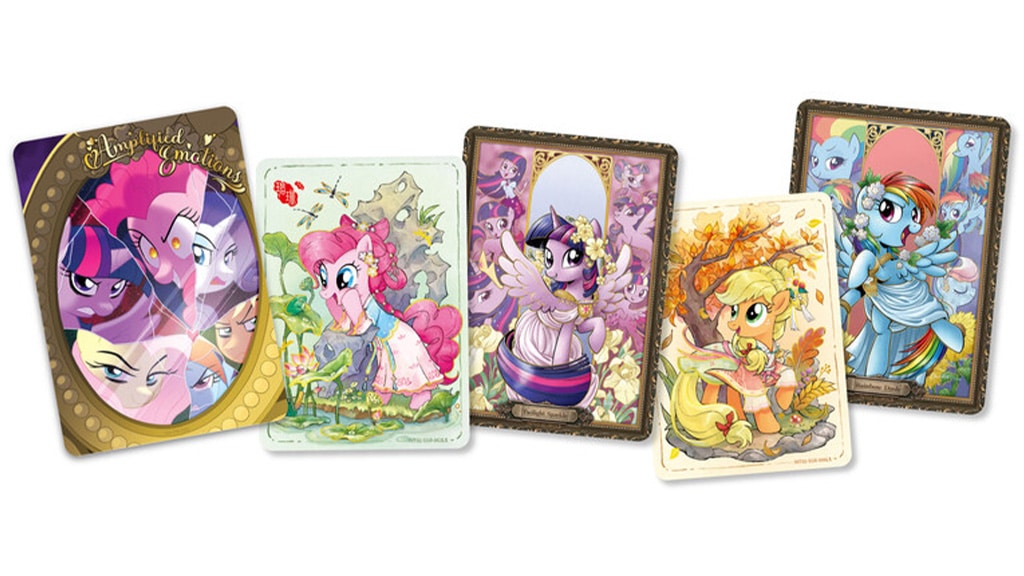
TB: We’ve seen mass retailers like Target doing over $1 billion in trading cards this year. With that growth — and partnerships like your My Little Pony line with Kayou — could other Hasbro brands move into that trading card space beyond TCGs?
CC: The Wizards team is very interested in expanding what they can do with other Hasbro brands and even original IP — as they rightfully point out, they’re pretty good at trading cards. Partnerships like Kayou in China have been fantastic, and now they’re expanding globally.
We’re open-minded to further collaborations there, and we also do inbound licensing with folks like Panini. We’ve had a great partnership with them on NBA Prism and Monopoly, and will extend that with FIFA next year. We’re also talking to other trading card folks.
The category itself is a generational growth opportunity. TCGs were invented in the ’90s — Magic: The Gathering launched the genre, and then Wizards helped Pokémon explode. The kids who played then are in their prime earning years now, coming back to the hobby. There are some nice long-term legs for Magic and for others in the space.
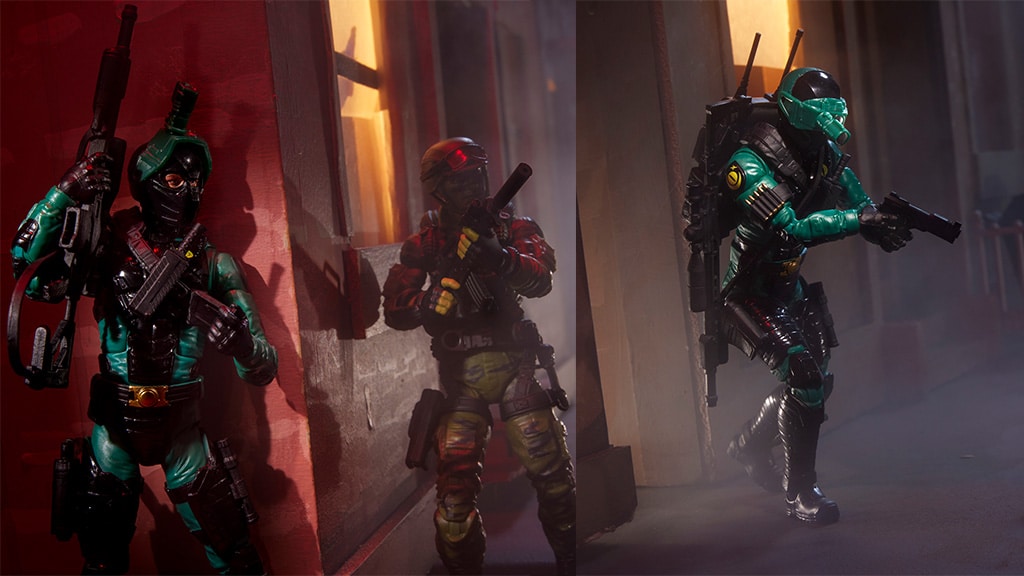
TB: Heading into the holidays, Gina Goetter noted that $20 is the “magic number” for families this year, with half of Hasbro’s toys priced there or below. With the focus on kids this season, do you see any signs of the adult collector market cooling?
CC: No, not at all. Adults play games, play with toys, and collect things — and that adult and fan market is where a lot of growth will be. The reality is, fewer babies are being born in the U.S., but there will always be a robust kid-focused toy and game business.
Looking ahead five to ten years, the biggest growth in toys and games — especially collectibles — will come from consumers ages 13 and up, and increasingly over 40. Gen X and Millennials like to play. I’m long-term bullish on the market.
TB: Consumer product sales dipped in the U.S. but jumped 12% in Europe. What’s driving growth overseas?
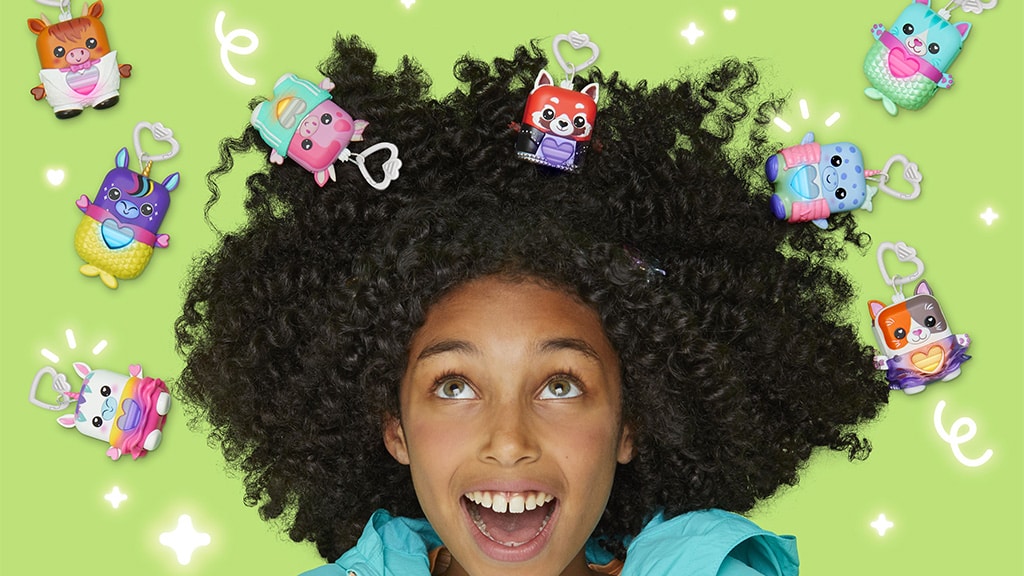
CC: Europe’s doing very well overall. It’s country-specific, but board games are strong. The French love Nano-Mals — maybe France was a big Tamagotchi market back in the day. Marvel is doing well, and on the Wizards side of the house, Magic: The Gathering is performing very, very well. DJ Furby is also doing great, particularly in France. Maybe our designers just really understand the pulse of the French consumer.
TB: We’ll end with everyone’s favorite topic: tariffs. It was mentioned that Hasbro has managed to navigate a 30% tax on China and 20% on Vietnam. What happens if a 100% tariff actually materializes?
CC: We’ll have to see. The big lesson over the last six months is: don’t respond to the headlines. Let’s see what the government and trade delegations actually decide — it usually works out to something less extreme. And if higher tariffs do manifest, we have a playbook ready. I’ll comment on that when it moves from being a tweet to an actual policy.
Interview edited for clarity and length.
