
by JULI LENNETT, Vice President, Industry Advisor, U.S. Toys, Circana
The U.S. toy industry experienced a strong comeback in 2025, reversing two years of stagnation and decline. Dollar sales surged 7% through November 2025, compared to the same 11-month period in 2024, as average selling price (ASP) increased by 3% and, notably, unit sales climbed 3%. This rebound marks a significant turnaround from the contraction in 2023 and the flat 2024, signaling renewed consumer enthusiasm for toys — especially among adults buying toys for themselves. Since 2020, toy sales have grown by 19%, representing a 3% compound annual growth rate (CAGR), a testament to the industry’s resilience and adaptability.
It is also worth noting that the toy industry is outperforming other general merchandise categories tracked by Circana, emphasizing the strength of toys compared to the broader retail landscape.
Ed. Note: Updated, full-year numbers were released after this article went to print. See the latest here.
THE BIG THREE: COLLECTIBLES, LICENSING, AND OLDER AUDIENCES
If we exclude trading cards from these topline results, the market was more muted in 2025, underscoring the outsized role collectibles play in driving growth for the toy industry. Here’s a look at the three dominant themes that defined the market in 2025:
- Collectibles: Up 34% based on dollar sales, fueled by trading cards and action figure collectibles. Trading cards alone accounted for 67% of all gains in the toy industry.
- Licensed Toys: Grew 14%, driven by sports, fantasy, animals, movies, and video games. Licenses, including NFL, Formula 1, and Minecraft, were major contributors to growth.
- Tweens and Adults: Recipients ages 12 and up continued a five-year growth streak, with sales for this demographic up 16%, led by The LEGO Group, Pokémon, and Fanatics’ Topps.
These trends reflect a shift toward fandom-driven purchases and the growing influence of adult collectors and older kids in the toy market.
SUPERCATEGORY SPOTLIGHT: CONCENTRATED GAINS
Six of 11 supercategories posted year-over-year dollar growth. The fastest-growing supercategories are closely tied to the three key themes outlined above. The top performer, Games & Puzzles, saw dollar sales increase by 41% through November, driven by Pokémon and other strategic trading card games. Explorative & Other Toys grew by 20%, boosted by NFL trading cards. Building Sets rounded out the top three, with sales up 12% as Formula 1 led gains.
POKÉMON MAKES HISTORY
Pokémon shattered records in 2025, surpassing $2.1 billion in toy sales through November, becoming the first property in at least 20 years to cross the $2 billion mark annually. NFL surged more than 100%, climbing in the ranks from No. 10 last year to the No. 2 best-selling toy property this year. Other top growth performers included Wizards of the Coast’s Magic: The Gathering, Formula 1, and Minecraft.
HOLIDAY PERFORMANCE
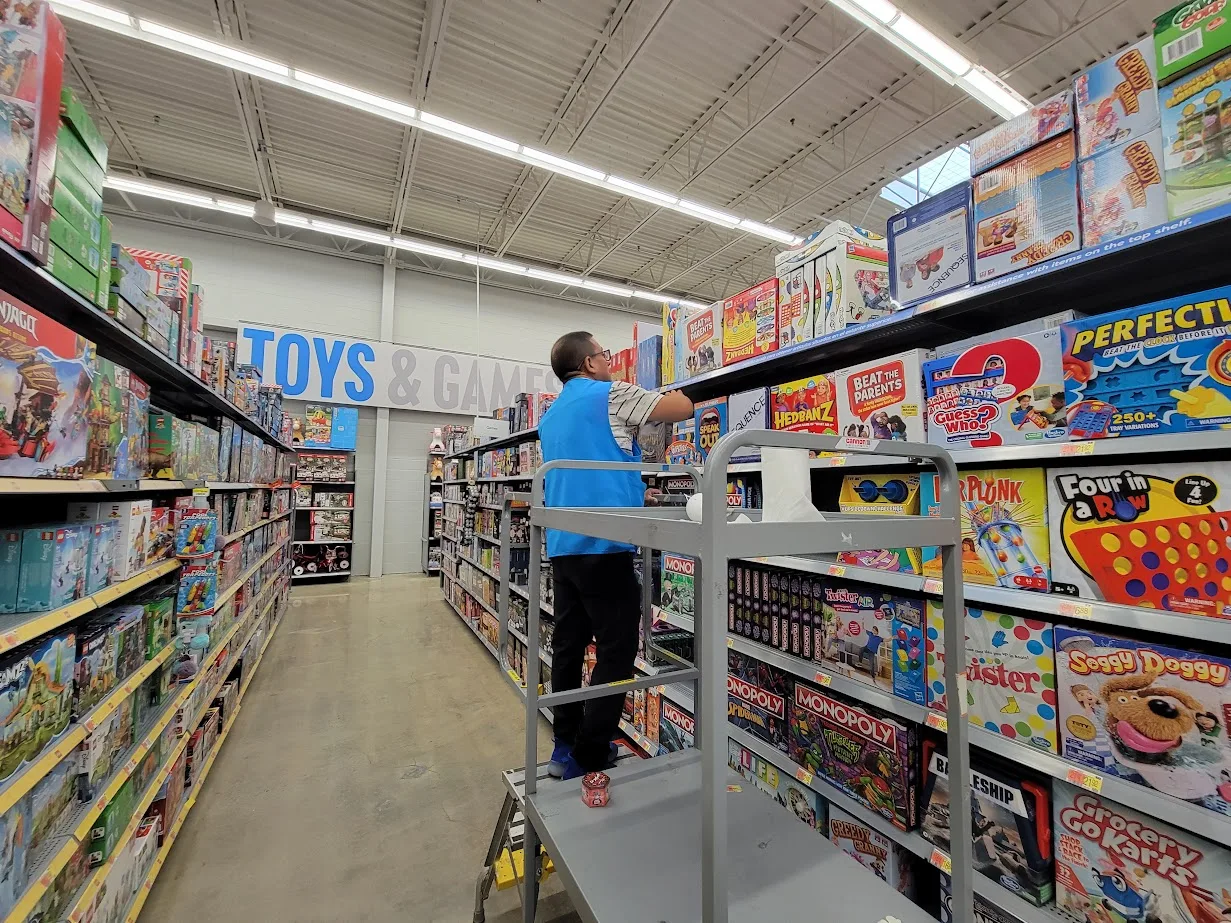
In the 13 weeks of the fourth quarter, toy industry dollar sales increased by 4%. The Black Friday and Cyber Monday weeks were flat compared to the same period in 2024, although still outperforming overall general merchandise, which declined. With Christmas falling on a Thursday, retailers gained an extra shopping day, boosting dollar growth by 23% for this critical shopping week.
LOOKING AHEAD: CHALLENGES AND OPPORTUNITIES
The U.S. toy industry enters 2026 with strong momentum, but several forces — some supportive, some disruptive — will shape the path forward.
So far, we haven’t seen tariffs make a big impact on ASP due to many factors including, but not limited to, manufacturers and retailers absorbing costs rather than passing them along to the consumers; a mix of non-tariffed toys with tariffed toys; promotional pricing; and, perhaps the most important, consumers have stuck to their budgets and bought toys in the price range they budgeted for. However, tariffs and their trickle-down impact remain a big unknown for 2026.
Inflation, wages, birth rate, and consumer confidence will shape demand in the year ahead, while high credit card debt looms as a potential drag. If wage growth cools or job markets soften, discretionary categories like toys could feel the pinch.
Still, there are several tailwinds, the first being that the toy industry tends to be resilient in tough times. Parents prioritize their children’s happiness, and toys are both beneficial and a relatively affordable indulgence compared to big-ticket discretionary items. On that note, toys play a significant role in the health and wellness of both children and adults. Digital wellness, or reducing time spent on digital devices, is an area that people are discussing. Toys that foster hands-on play, creativity, and social connection are well-positioned for this digital detox.
As the next major retail shift, agentic and social commerce should be viewed as an exciting new way to potentially reach untapped audiences. This is the most exciting development to happen to retail since the advent of e-commerce.
And finally, the robust pipeline of toyetic movies and entertainment properties in 2026-2027 should keep licensed and collectible toys vibrant. Even companies without direct licenses benefit from the traffic, awareness, and cross-category halo — a rising tide lifts all boats.
2025 proved that the U.S. toy industry can bounce back — and thrive — when it leans into fandom, licensing, and innovation. With solid holiday-season momentum, a promising content pipeline, expanding social commerce, and ongoing strength in consumer demand, the stage is set for continued, though likely uneven, growth in 2026. The winners will be those who balance the collectible engine with evergreen play, value, and community-building that turn enthusiasm into enduring demand, while prudently managing tariffs and protecting consumer budget-friendly price points.
Data Sources: Circana, Retail Tracking Service, U.S. Toys, Dollars Adjusted, YTD November 2025; Circana, Checkout Recipient Insights, U.S. Toys, Dollars Adjusted, YTD September 2025.
Stay on the Pulse of Play!
A version of this feature first appeared in the 2026 edition of The BIG Toy Book. Read the full issue here!
Want The Toy Book delivered straight to your desk? Subscribe today and get seven big issues a year — packed with the stories, trends, and insights that keep you on the #pulseofplay.