
by MIKE DRAKE, Author and Toy Industry Veteran
With Predator: Badlands set to release next week, it feels like the perfect time to revisit one of Hollywood’s most enigmatic monsters — and a secret about its costume known to only a handful of people. The tale comes straight from the man who helped give the Predator its menacing shape and presence: the legendary effects artist Stan Winston.
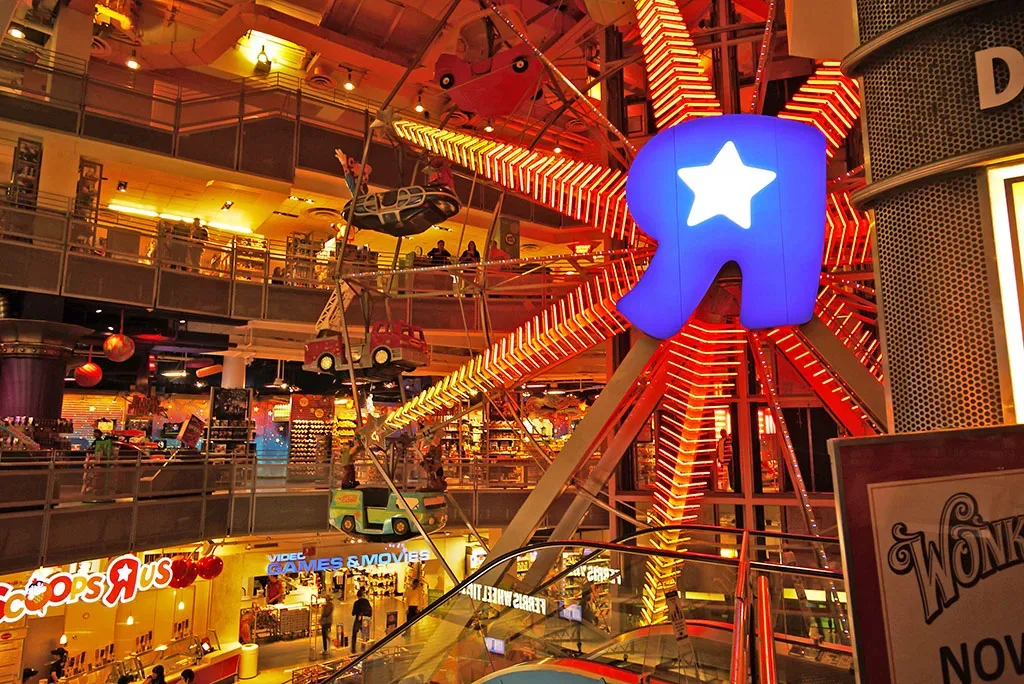
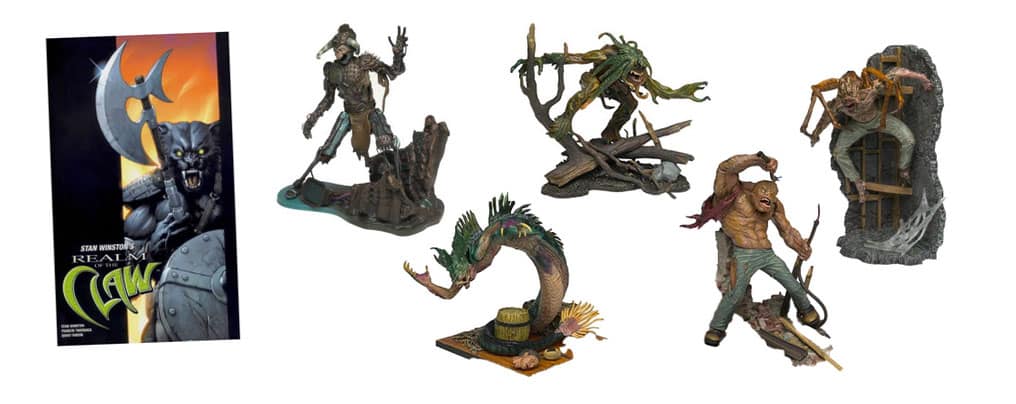
Back in the late 1990s, when superheroes, dinosaurs, and space marines ruled the action figure aisles of America, I worked at the headquarters of Toys “R” Us, overseeing what we proudly called “Boys’ Toys” — the kingdom of action figures and accessories. It was there, amid prototypes and plastic legends, that I first met Stan Winston. He was in the process of developing his Stan Winston Creatures line, along with a new concept called Realm of the Claw.
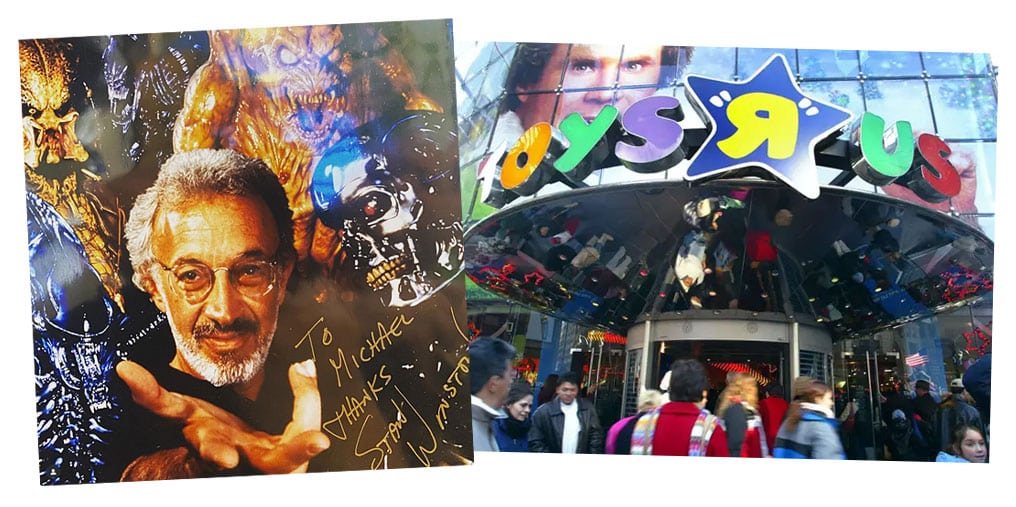
Toys “R” Us Times Square had just opened, a glimmering cathedral to childhood imagination, and Stan — ever the generous showman — lent us a full-size T-800 Terminator for the display. We built an elaborate setup showcasing prototypes and towering two-ups from his upcoming line, and I was working with him on arranging an in-store signing that would bring fans face-to-face with the man behind the monsters.
Winston, for all his Hollywood stature, was disarmingly down-to-earth. Talking with him was like chatting with your favorite college professor — if your professor happened to have built the Alien Queen and Pumpkinhead. We’d drift easily between logistics and lore, from packaging details to our shared admiration for Famous Monsters of Filmland.
It was during one of those offhand digressions that I took my chance to ask a question that had haunted me since the first time I saw Predator on the big screen.
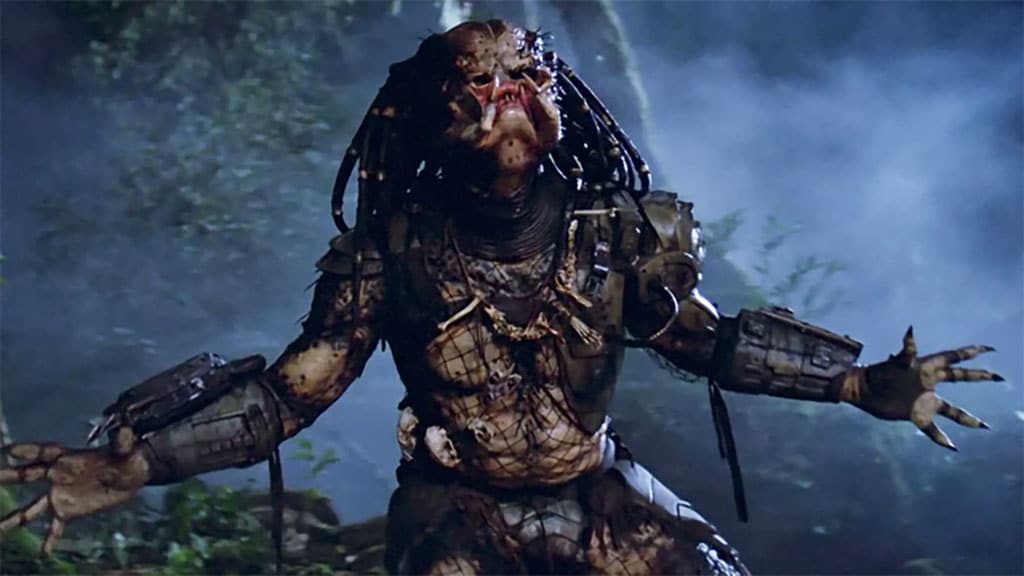
The question was simple: If the Predators collect skulls from the most fearsome beings they’ve defeated, why do they wear such tiny skulls around their necks? Surely, those small creatures couldn’t have been mighty opponents.
Stan grinned, the kind of grin that tells you a story is coming. He leaned in conspiratorially, as though sharing an ancient myth, and said, “You know what those are?”
He explained that in Predator culture, the hunt begins almost at birth. The skulls the creatures wear are their first kills, the earliest trophies from their training hunts as infants. They’re not tokens of conquest, but of passage. “It’s like a warrior’s version of bronzed baby shoes,” Stan said, his eyes twinkling.
It was such an elegant, instinctive answer that I remember sitting in silence for a moment, just letting it sink in. I finally asked, “Is that canon?”
Stan chuckled.
I made the Predator. Who’s gonna disagree with me?”
That moment, to me, captured everything about Stan Winston: his creativity, humor, and sense of play that ran through even his darkest designs. For him, monsters weren’t just nightmares; they were stories about who we are and how we grow.
And so, the next time you see a Predator looming in the shadows, glinting beneath its alien armor, take a closer look at the bones hanging around its neck. They’re not just spoils of war, they’re the alien equivalent of baby teeth, worn proudly by a species that venerates the art of survival.
Sadly, the Toys “R” Us and Stan Winston partnership came to an abrupt end in a legal battle that has now become part of retail folklore.
But for those of us who were there, the memory of working alongside him — of hearing the secrets of the creatures that once haunted our dreams — remains one of those rare stories that feels too strange, and too beautiful, not to be true.
Predator: Badlands hits theaters on November 7 via 20th Century Studios. Toys “R” Us is on the comeback trail with new stores in partnership with Go! Retail Group, departments in every Macy’s, NEXCOM military stores, and a location at the Dallas Fort Worth International Airport. Predator characters are back in toy departments via NECA.