by TODD MERTON, Director of Member & Partnership Growth, Ethical Supply Chain Program
Major entertainment launches, viral hits, and global events can elevate a brand overnight. A successful movie, streaming series, or sporting event can drive visibility, demand, and media attention at record speed. For licensors and licensees, those moments create opportunity — and risk.
Traditionally, brand protection focused on trademarks, copyrights, and removing unauthorized products from shelves. Today, the conversation is broader. Supply chain oversight is a critical part of protecting brand value.
OPPORTUNITY BRINGS SCRUTINY
When demand spikes, companies accelerate product development, increase production, and expand sourcing networks. Pressure creates vulnerabilities.
Factories may rely on temporary labor, use unapproved subcontractors, substitute materials, or fall short of labor and environmental standards. When issues emerge, consumers don’t blame the factory. They blame the brand. For licensors, that distinction matters.
BRAND VALUE DEPENDS ON TRUST
Licensed properties represent more than logos and characters. They signal quality, safety, authenticity, and increasingly, responsible business practices.
Retailers and consumers now respond quickly to reports involving unsafe conditions, labor concerns, or environmental harm. Reputational damage can spread fast, and recovery can be costly.
For toy and entertainment brands, trust supports long-term licensing value. Legal ownership protects IP, but consumer confidence helps sustain commercial strength.
REGULATION RAISES THE STAKES
Governments are increasing accountability requirements. Laws such as the Uyghur Forced Labor Prevention Act (UFLPA) in the U.S. and the EU Corporate Sustainability Due Diligence Directive (CSDDD) place greater focus on identifying and addressing risks across supply chains.
That creates added pressure within licensing. Brand owners may not manufacture products directly, but their names remain tied to the goods being sold.
As regulators and retailers demand transparency, licensors increasingly need to show meaningful oversight. Licensees must demonstrate they can meet higher sourcing and compliance standards.
FROM GUIDELINES TO ACTION
Most licensing programs already maintain strict style guides, product specs, and approval processes. Many are now applying that same discipline to responsible sourcing, including:
- Clear supplier approval requirements.
- Defined subcontracting expectations.
- Evidence-based reporting on labor and environmental standards.
- Corrective action processes and
follow-up mechanisms. - Consistent risk assessment across suppliers and regions.
- Agile solutions that keep up with the pace of change and trends.
These measures reduce risk and strengthen partnerships by aligning expectations and limiting surprises.
A PRACTICAL TOOL
To manage growing complexity, licensors and licensees need systems that are scalable, repeatable, and efficient. One option is Social & Environmental Impact Assessments (SEIAs).
Unlike one-time audits, these assessments review policies, supplier practices, and operational risks through a broader lens. They help identify priority issues, guide corrective action, and support faster decision-making.
For licensors, assessments can strengthen governance and document proactive oversight. For licensees, they can help demonstrate compliance, satisfy retailer requirements, and build long-term relationships with brand owners.
EXPANDED BRAND PROTECTION
Licensing has always been about extending a brand’s reach. As brands grow globally, protection has expanded.
Today’s strongest brands defend trademarks and fight counterfeits, but they also show that products are responsibly made. In today’s marketplace, ethical supply chain oversight is part of IP protection.
To learn more, request a free copy of the Ethical Supply Chain Program’s 2026 Social & Environmental Impact Assessments Insights Report by contacting assess@ethicalsupplychain.org.
Stay on the Pulse of Play!
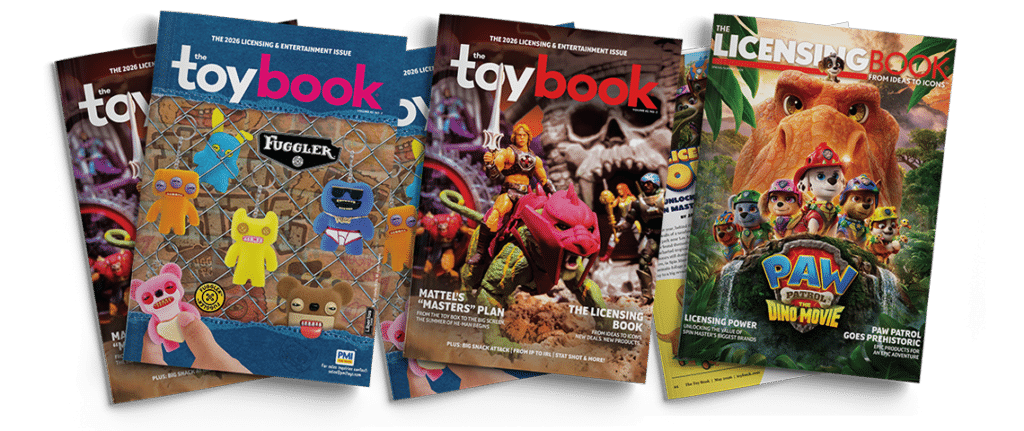
A version of this feature first appeared in The Toy Book‘s 2026 Licensing & Entertainment Issue, featuring The Licensing Book. Read the full issue here!
Want The Toy Book delivered straight to your desk? Subscribe today and get seven big issues a year — packed with the stories, trends, and insights that keep you on the #pulseofplay.