
In the age of A.I., toy and collectible companies keep artist-focused elements front and center.
For years, toy designers and artists have largely gone uncredited for their work and its impact. Consumers, particularly fans, value the human touch more than ever with the rise of AI, and companies are showcasing designers and artists to meet that need.
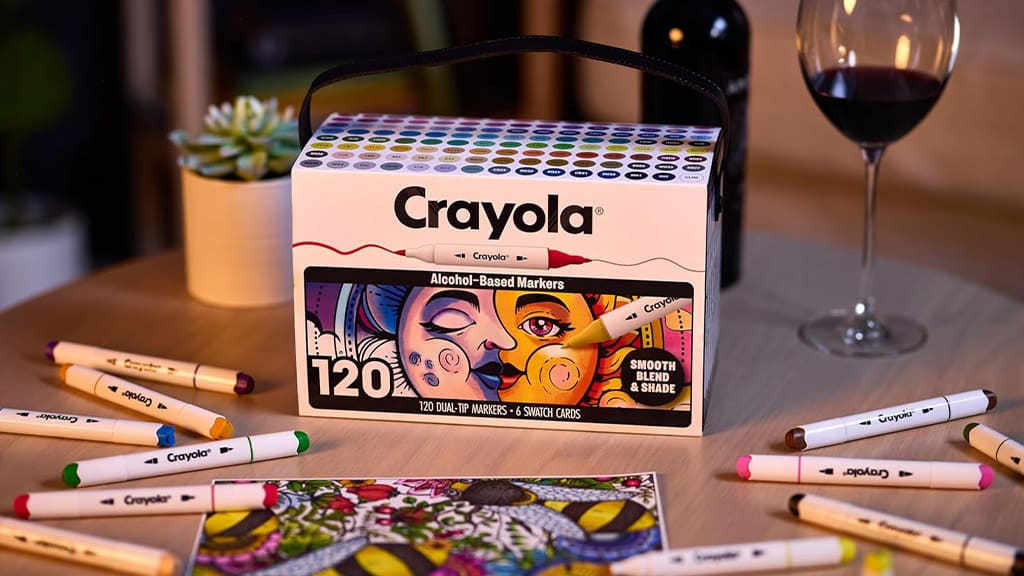
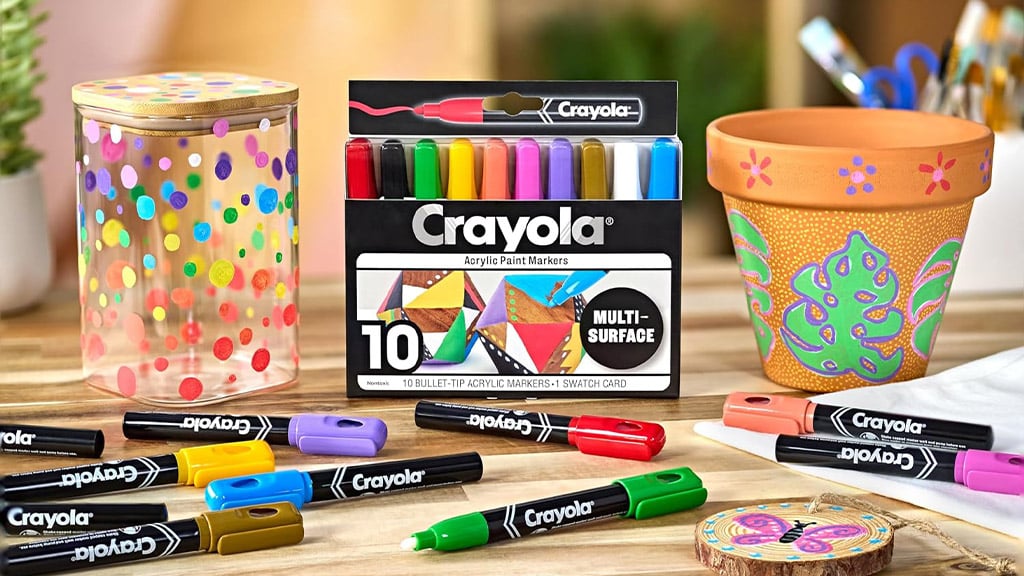
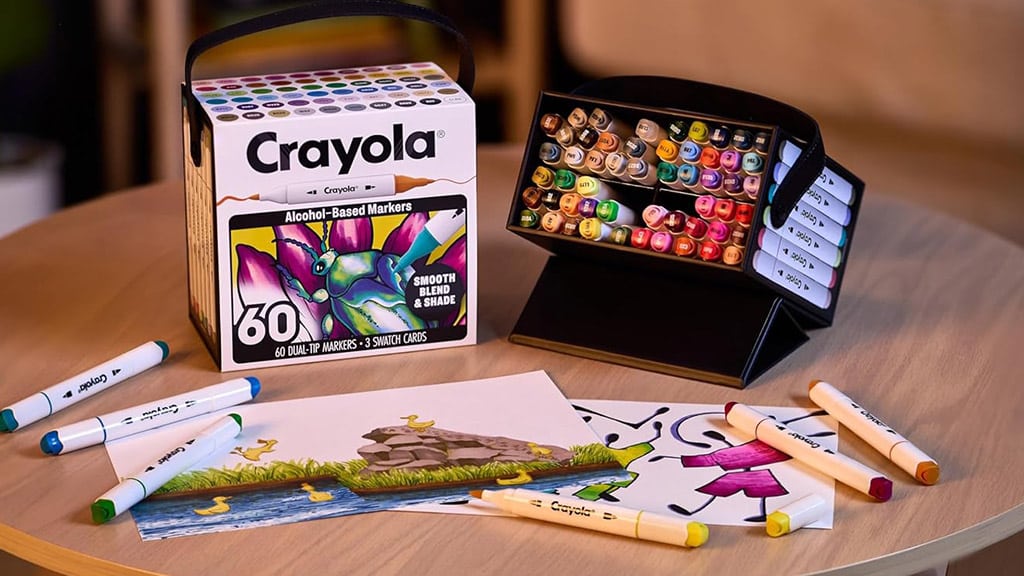
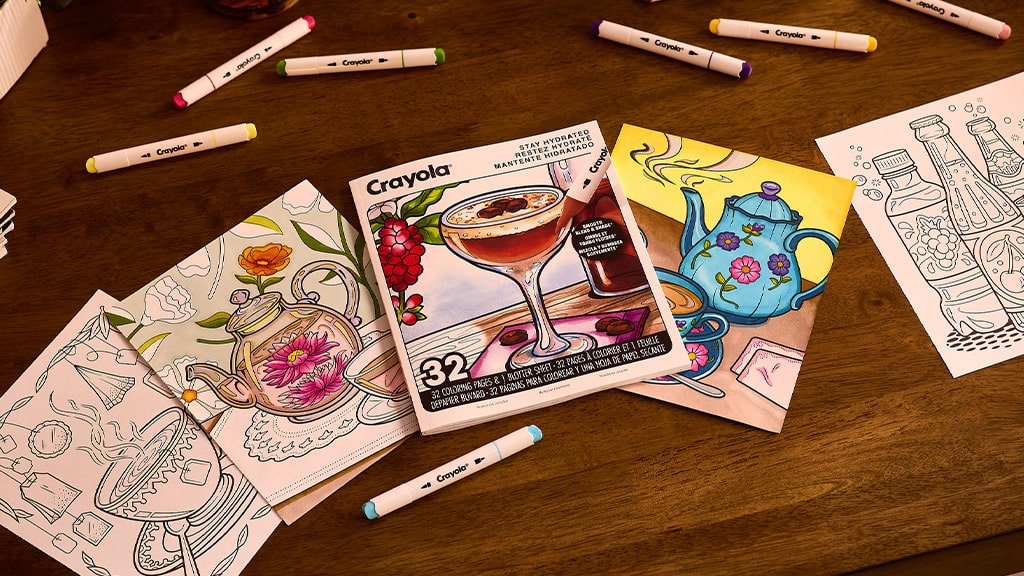
The latest company to give its artists their flowers is Crayola. The art supply brand launched its Crayola All Grown Up earlier this year, featuring high-end alcohol-based markers and coloring books designed for adults. To kick off this collaboration, Crayola partnered with outside artists to design the coloring books and spotlighted them on its product packaging and website.
“It’s the backstory,” says Karen Waters, Director, International Sales and Brand Business Development at Crayola. “It’s not just been mass- generated. It gives a little bit of a special analog delight; [that] really is what we are hoping for.”
Crayola All Grown Up welcomes adults to the craft table. | Source: Crayola
Crayola All Grown Up welcomes adults to the craft table. | Source: Crayola
Crayola All Grown Up welcomes adults to the craft table. | Source: Crayola
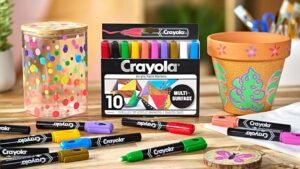
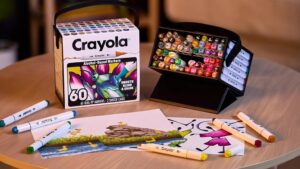
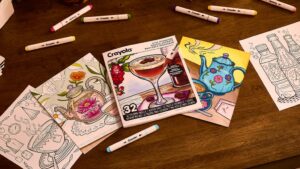
The company also worked with the artists behind Crayola All Grown Up to create videos that educate consumers on using alcohol-based markers. Because these videos come straight from the artist, consumers develop even more trust in the product as they can see who it is coming from.
“We’re wrapping it around this relevant and approachable way to say, ‘Hey, don’t just trust Crayola for quality. We’ve brought along a friend here to help teach you how to use alcohol markers,” Waters says. “It’s the best of all the great things that our brand stands for. Brands that are able to share the trust with experts, that really resonates with today’s consumers.”
When companies credit their designers and the artists they work with, these creatives can also grow their own platforms, increase their exposure, and get more opportunities. For years, adult collectible brand Mondo has credited its artists and designers on product listings, even providing landing pages where fans can shop all Mondo products made by a particular designer or artist.
“If we can platform any artist and then help them gain a fandom or gain followers, we did our job, at least in that aspect,” says Hector Arce,
Senior Director of Creative and Product Development at Mondo. “Obviously, we work with some more-known artists as well, but we love to scour Instagram, find the next up and coming person, give them a chance, give them a platform, and not keep them anonymous. We just love to make sure that regardless of who you are and how many followers you have, as long as you’re putting yourself out there and you so happen to catch our eye, we will platform it.”
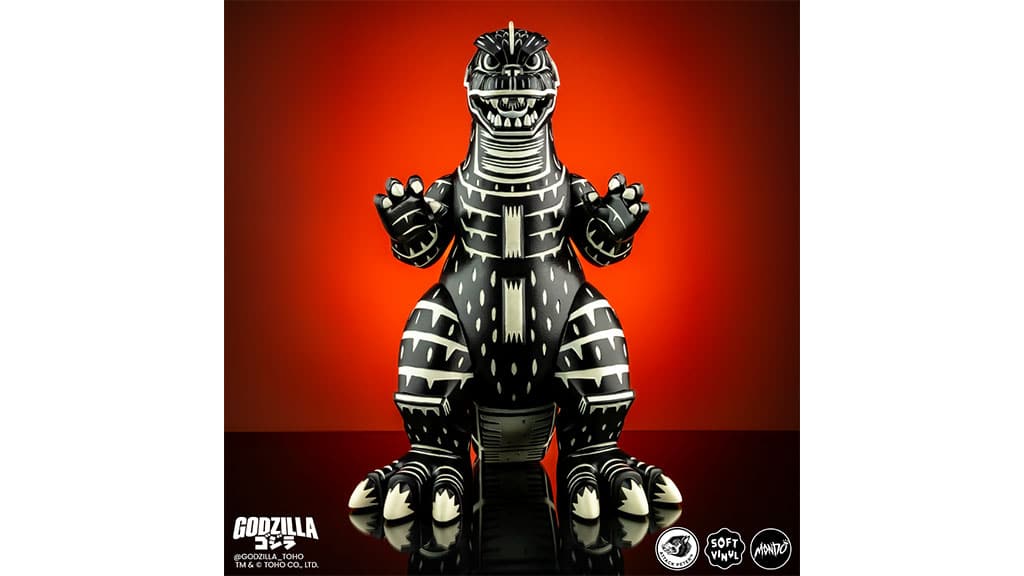
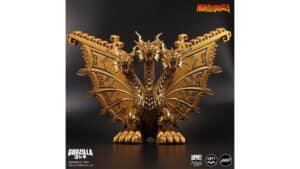
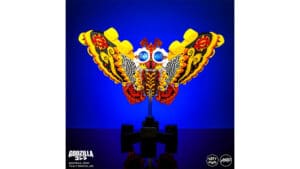
Mondo gives formal credit to its artists, allowing them to grow fanbases of their own. | Source Mondo
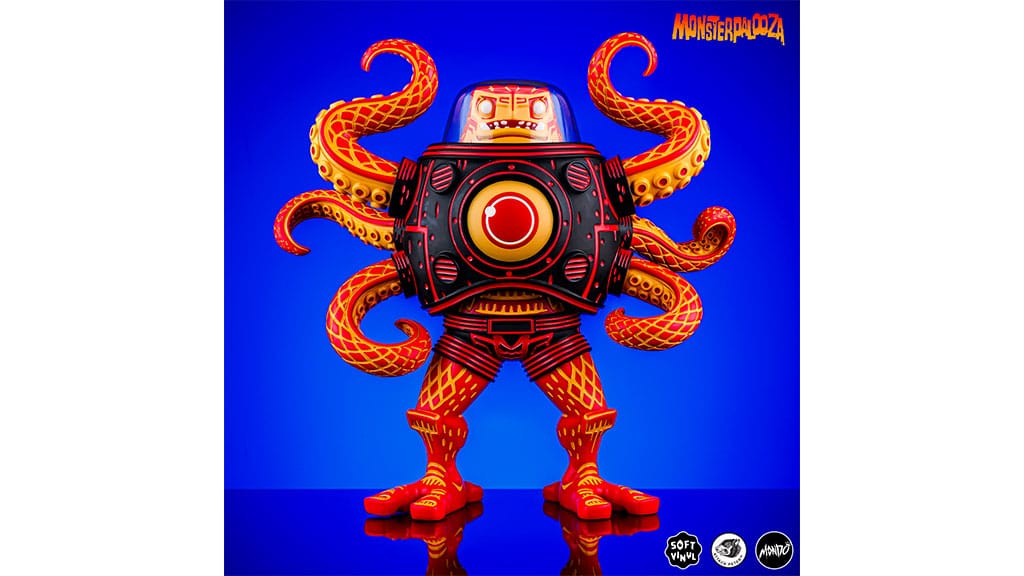
Mondo gives formal credit to its artists, allowing them to grow fanbases of their own. | Source Mondo
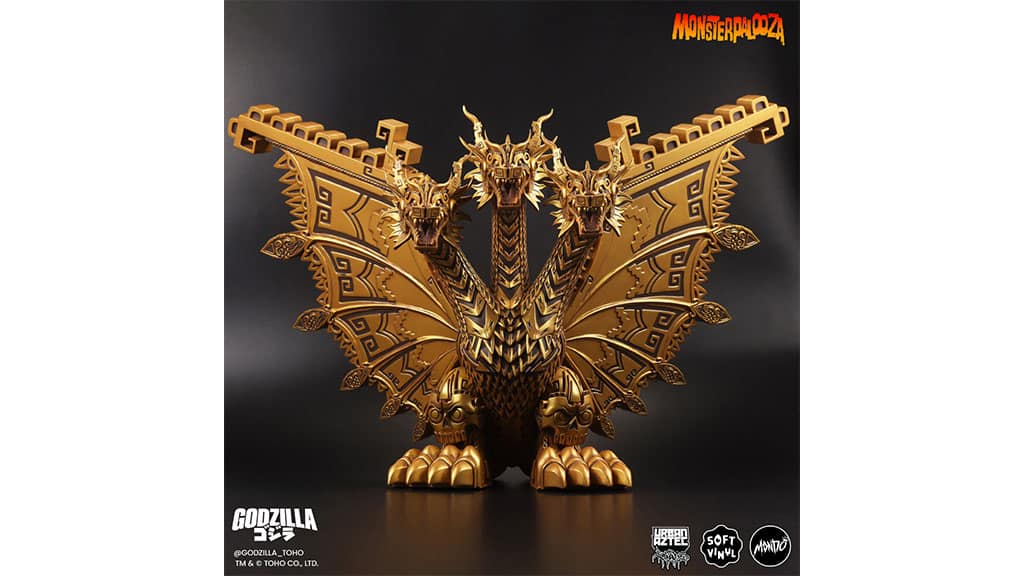
Mondo collaborates with artists who have a vision to platform them to a wider audience. | Source: Mondo
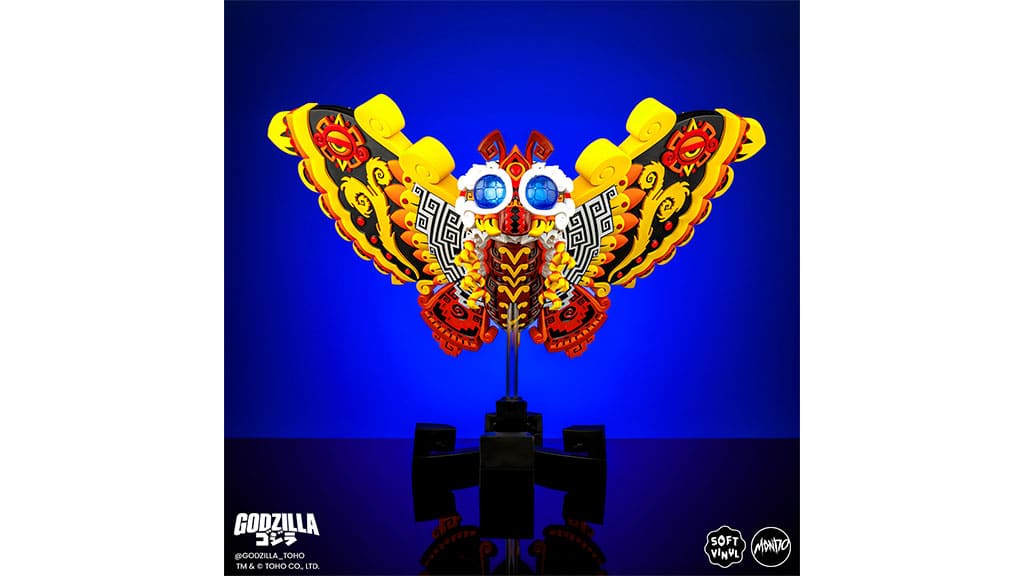
Mondo collaborates with artists who have a vision to platform them to a wider audience. | Source: Mondo

Especially as generative AI continues to grow and find a place in the industry, Arce says it is important to affirm Mondo’s commitment to artists and the artistic process.
“I think it’s extremely important because regardless of whatever benefits or disadvantages AI may have, at the end of the day, it’s people who make this stuff,” Arce says. “It’s the true collaborative experience of working with a group of artists, working with a group of individuals who are passionate about it. It’s something that we’re proud of, and it’s something we’re going to continue to do, and that’s it. I think it’s important to showcase that and make sure that there are brands out there that are proud to put their artists and the people that work on these things front and center and don’t need to hide them or have them behind some sort of anonymous brick wall.”
For the moment, the trend of bringing designers and artists to the forefront of marketing is mainly seen in the collectible toy market, although the tabletop gaming industry has embraced the practice for years. However, as parents become more intentional about shopping for toys for their kids, more artists could see their work receive more public credit. Industry veteran Zach Oat, former Marketing Director at Diamond Select Toys, believes that every toy is a work of art, and the designers and artists who create these toys deserve credit from the companies and families who benefit from their work both in the office and in the playroom.

“I’ve always been of the feeling that toys are little pieces of artwork,” Oat says. “Even if they’re not ‘art toys’ or ‘designer toys,’ even if they’re literal representations of the exact character that was designed by another artist in the industry who obviously gets credit on movie screens everywhere, I think it’s important to show that it takes a human set of hands to create what you’re looking at. It is an artwork, even if it’s not recognized as art by maybe 95% of the human culture, but it is. It’s a sculpture, it’s a 2D artwork, it’s a design. There’s human creativity going into that work.”
Stay on the Pulse of Play!
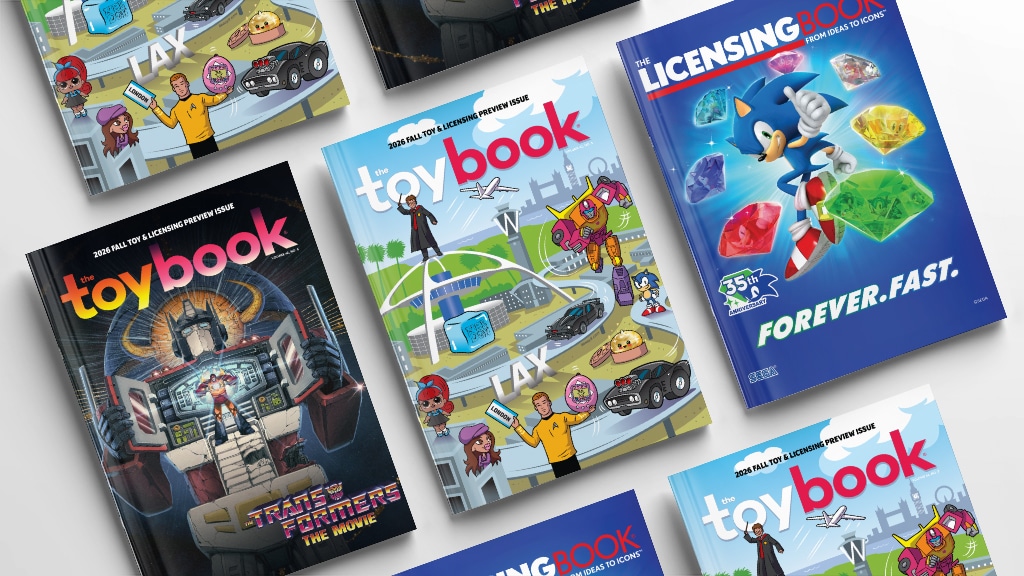
A version of this feature appears in The Toy Book‘s 2026 Fall Toy & Licensing Preview Issue. Read the full issue here!
Want The Toy Book delivered straight to your desk? Subscribe today and get seven big issues a year — packed with the stories, trends, and insights that keep you on the #pulseofplay.
