
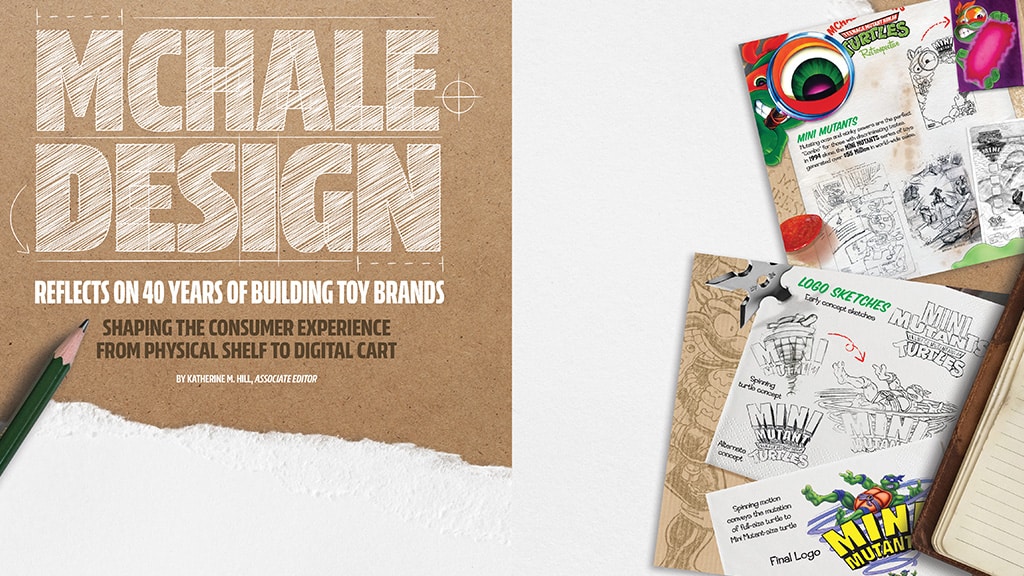
When Maureen McHale founded McHale Design in 1985, she quickly landed major toy industry clients, including Mattel and Playmates Toys. As the Long Beach, California-based agency grew, it worked on iconic brands such as Teenage Mutant Ninja Turtles (TMNT) while expanding its client roster.
Today, McHale Design counts Disney, Hasbro, Sunny Days Entertainment, SEGA, and Moose Toys among its clients. The agency offers branding, strategy, identity design, packaging, photography, marketing collateral, production, and more — from idea to product.
While Playmates’ long-running TMNT era is winding down thanks to a new licensing agreement between Paramount and Mattel that kicks in next year, McHale remains committed to these sewer-based Heroes in a Half Shell for now.
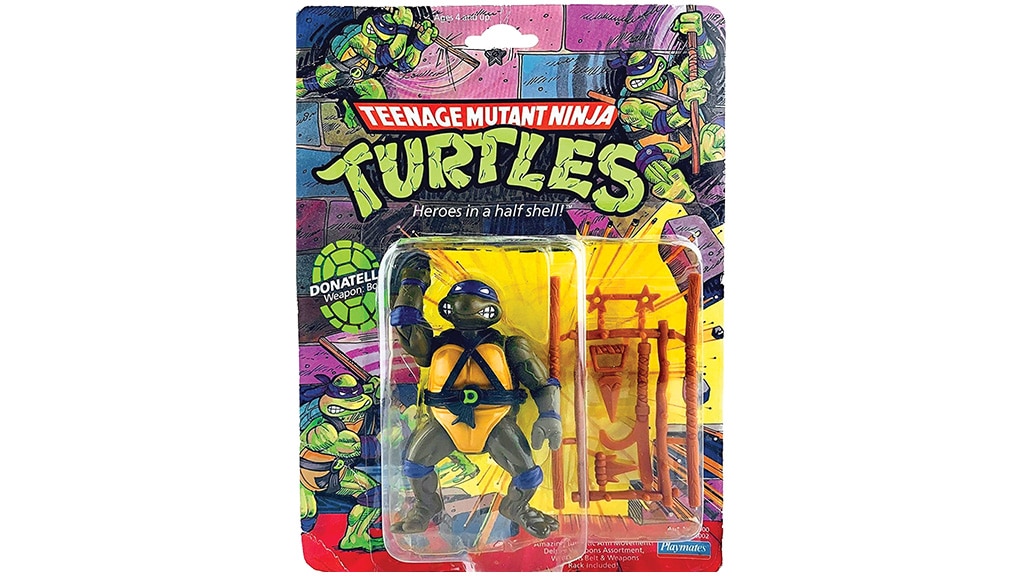
“No one expected Ninja Turtles to be what it is today,” says Joe Campos, President of McHale Design. “It’s an evergreen property that gets relaunched every five years, and we have been a part of it since the beginning.”
As it did with TMNT, McHale Design works with numerous companies on developing programs based on licensed IP. “Working with licensed properties is different because you’re working with a licensor,” Campos explains. Every detail must align while still appealing to consumers. Toys arrive on endcaps a month before a movie or series premieres, so the team must create eye-catching packaging that transforms an unfamiliar property into a must-have item.
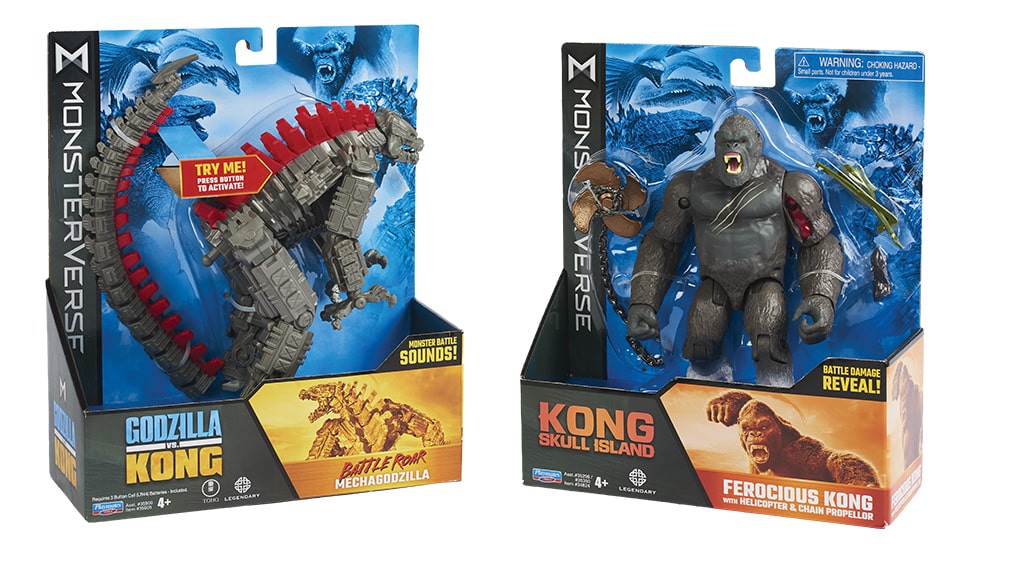
It’s a challenge McHale Design has embraced. The agency has helped bring licensed brands, including Star Trek, Winx Club, Miraculous, Godzilla, King Kong, and Harry Potter to consumers, creating packaging that captures each property’s identity while enticing purchasers to take a closer look.
Original brands are another key part of McHale Design’s portfolio. The agency often begins developing a product’s identity 18 months to six months before it reaches store shelves. Its diverse portfolio of work also includes retail house brands, such as Walmart’s Play Day, Adventure Force, and My Life As.
LOCATION, LOCATION, LOCATION
For McHale Design, reaching consumers starts with understanding where they’ll encounter a product. In brick-and-mortar retail, endcaps rotate with new movie and TV releases, putting licensed toys in front of shoppers at just the right moment. Online, brands face a different challenge: standing out in a crowded digital marketplace. In both cases, Campos says thoughtful branding and packaging help capture consumers’ attention. That makes research critical.
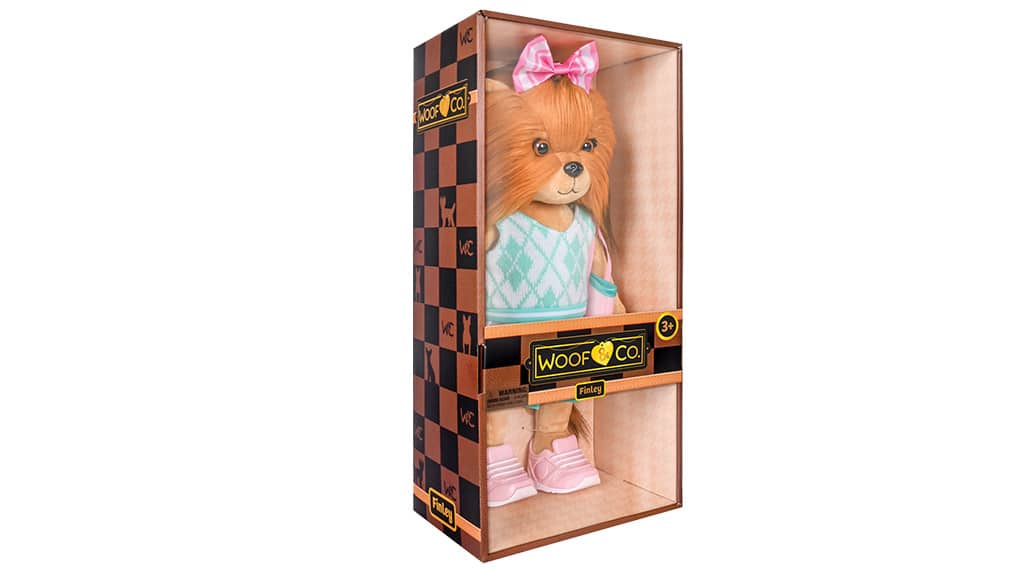
McHale Design recently put that philosophy into practice with Sunny Days Entertainment’s Woof & Co. Working from the ground up, the agency, which also worked on Sunny Days’ Honey Bee Acres, developed the fashion-forward pet brand’s identity and packaging, helping transform the concept into a TOTY Award nominee. “When it’s on the shelf, it really stands out,” Campos shares. “It looks really refined. We wanted the packaging to follow suit to catch the consumers’ eye.”
Regarding retail and merchandising trends, Campos says QR codes are becoming increasingly important in the consumer experience, appearing everywhere from the toy aisle to product packaging. (You may have even arrived here through one in our print issue.)
STREAMLINING THE PROCESS
Another hallmark of McHale Design is delivering production-ready files that make clients’ lives easier. “It’s kind of our feather in our cap,” Campos says. “We give you files that are print-ready.” That attention to detail gives clients confidence that projects will move smoothly from concept to production.
Michele Adamsen, Vice President, Creative Services, at Playmates Toys, agrees. “Playmates Toys has had the pleasure of working with McHale Design for decades,” she says, noting that the company and agency have collaborated on “a wide range of brands and toy lines.”
LOOKING 40 YEARS AHEAD
Campos is already looking forward to where the toy aisle may steer the agency next. “The ‘kidults’ are huge,” he says. “I think it’s only going to keep going because as teenagers become adults, they’re going to continue to collect.”
The growth of multigenerational fandoms is also a compelling driver, as brands such as LEGO, Star Wars, and Pokémon create new opportunities for toy companies and retailers. “It’s not a nerdy thing anymore,” he says. “There’s no shame anymore. People in their 40s are playing with Pokémon.” He notes that parents who grew up with the franchise are now playing with their kids.
Brands exist in more than one medium, too. Merging brands with video games keeps the property alive, he says. “That keeps the world growing, establishing new characters, new worlds. Properties can be evergreen more now than ever. That’s super important,” Campos explains. In-person experiences, such as theme parks, enhance an IP’s ability to sell beyond the toy aisle.
In the decades ahead, Campos says McHale Design’s success will continue to hinge on strong industry relationships, which he recommends to new agencies. “Having strong credibility, reliability, and establishing trust” is key, he says. “They’re relying on you to make their decisions. Things can’t be late.”
Again, Adamsen supports Campos’ ethos and dedication. “The McHale team has consistently demonstrated dedication, passion, creativity, and an exceptional work ethic,” she shares. “Their commitment to excellence and collaborative approach has made them a valued extension of our team.”
That responsibility extends beyond any single project. “You can’t just worry about yourself,” Campos says. “You have to see the whole picture from end to end.”
Or, from one decade to the next.
Stay on the Pulse of Play!
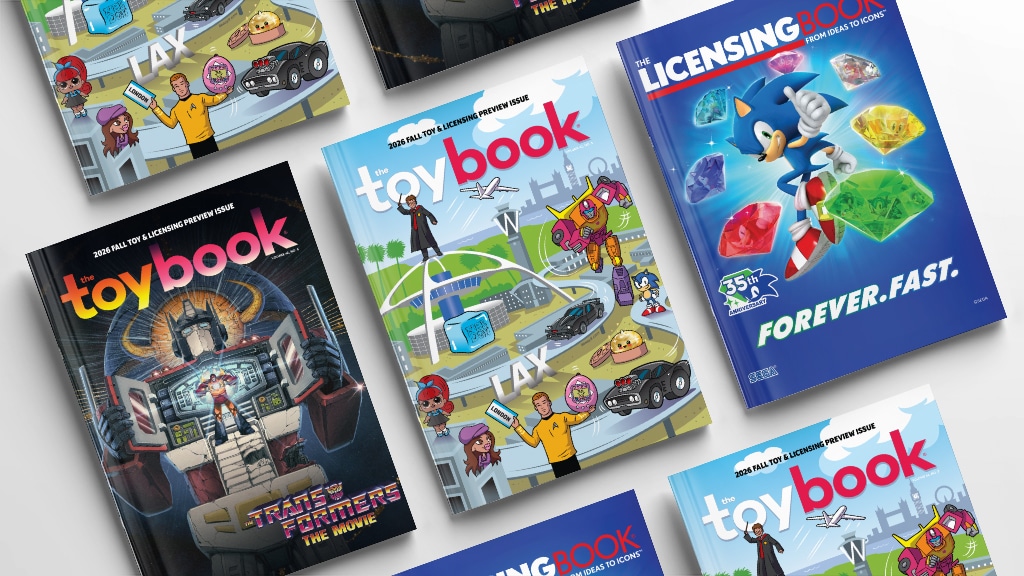
A version of this feature appears in The Toy Book‘s 2026 Fall Toy & Licensing Preview Issue. Read the full issue here!
Want The Toy Book delivered straight to your desk? Subscribe today and get seven big issues a year — packed with the stories, trends, and insights that keep you on the #pulseofplay.
