
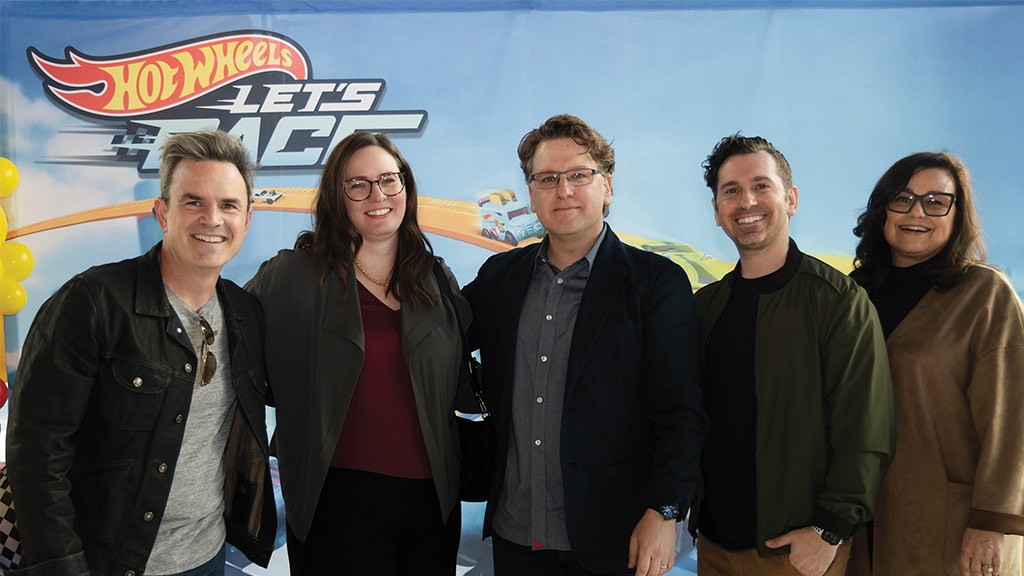
Nearly 20 years ago, Jordan Gershowitz told his story to MTV as a member of the band Rushmore, an act nominated for the cable channel’s Best Breakout Artist award. Rushmore won, securing an opening spot supporting Plain White T’s. The pop-punk band later appeared on the Vans Warped Tour and supported Metro Station, Justin Bieber, and All Time Low, the hottest acts of the year.
Today, Gershowitz is a twice Emmy-nominated writer telling stories from the biggest properties of 2026, translating universal truths to stories preschoolers, young kids, and their families can understand, from Mattel’s Hot Wheels to the upcoming Karters from Mediawan Kids and Family for Warner Bros. Discovery. From the concert stage to the living room screen, Gershowitz has mastered the art of storytelling for every audience.
For Gershowitz, immersing oneself in the universe of toys began at home in New Jersey; Jordan is the son of toy industry veteran Ed Gershowitz, who logged time with Tyco and Hasbro working on brands like Transformers. “My younger brother and I were definitely the beneficiaries of having a dad who worked in the toy industry,” Gershowitz says. “Our basement growing up would be filled with various samples and products. I still have and cherish my Dino-Riders collection.”
Writing his way into the toy and children’s entertainment industry is “pretty full circle and pretty special,” Gershowitz says. One of his dad’s jobs was selling Hot Wheels cars as a traveling salesman, before he was born.
Decades later, Jordan co-developed Hot Wheels Let’s Race and served as the show’s head writer through three seasons. Bringing the brand to a new generation is an “amazing opportunity,” he adds. The show had its own die-cast car, of course, Street Shrieker, a purple roadster driven by Cruise and Professor Rearview. Last year, he wrote his first video game, Hot Wheels Let’s Race: Ultimate Speed, based on the Let’s Race franchise and published for PlayStation 5, Nintendo Switch, Xbox, and PC.
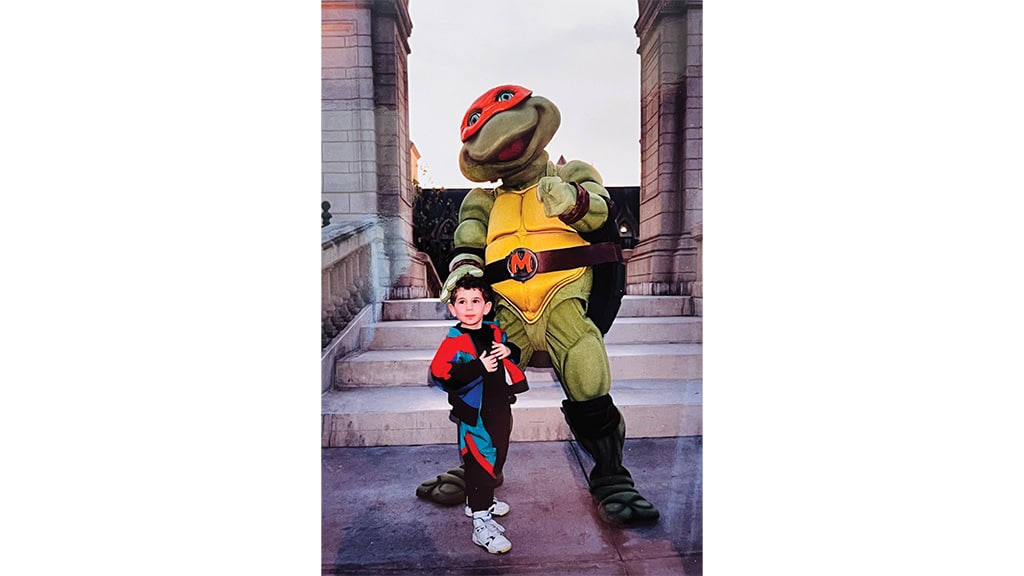
Growing up, Gershowitz favored Teenage Mutant Ninja Turtles, Power Rangers, and Kenner Star Wars action figures. The teenage heroes were a precursor of his life to come; Gershowitz calls both properties his “first loves.”
“I was the perfect age,” he says, for Power of the Force action figures and 1990s theatrical re-releases of the original Star Wars trilogy. “Those were the toys that I would ask for for my birthday or Hanukkah. I was the ultimate collector.” Collecting Star Wars action figures inspired an innate desire to tell stories. The figures transported Gershowitz into the world, integrating known and new stories.
“Most kids probably grow out of that kind of stuff because it was a part of our family, it was just something I never necessarily grew out of because it was always around,” Gershowitz shares. “There was always something cool and exciting to see, and that helped continue with my love for everything in the toy industry,” he says.
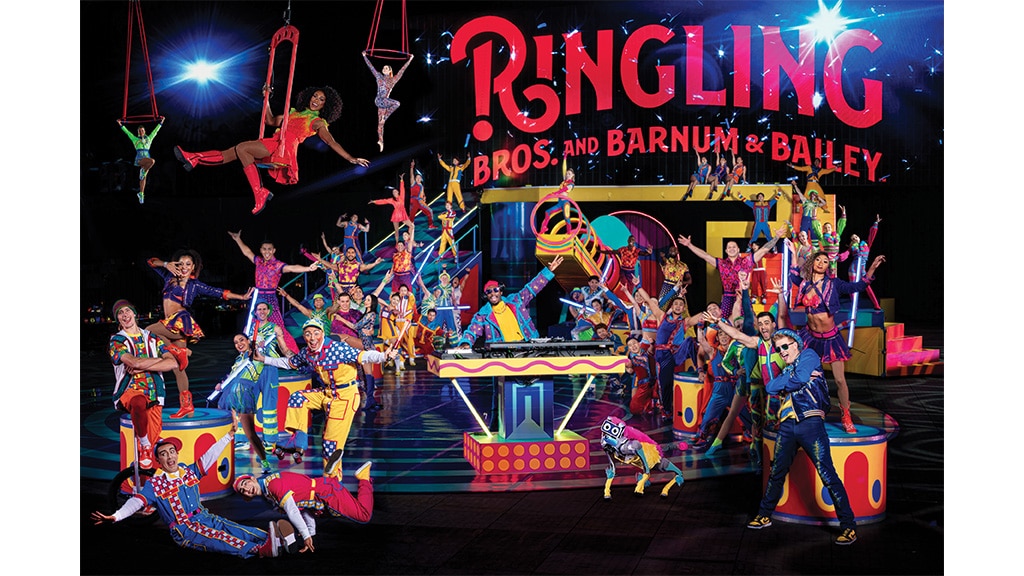
Gershowitz transitioned from sharing the stage to working behind it, serving in the NBCUniversal Page Program before writing for Sesame Street Live: Make Your Magic. He then developed experiences for Sesame Place, Disney On Ice, and Disney Junior Live On Tour. This year, Gershowitz teamed up with Feld Entertainment, writing the live stage show for the 148th edition of Ringling Bros. and Barnum & Bailey, “The Greatest Show on Earth,” which is touring this summer.
Between Sesame Street Live and Karters, Gershowitz has written for Monster High, Thomas & Friends: All Engines Go, Rubble & Crew, The Tom and Jerry Show, Sesame Street, The Oddbods Show, Where’s Waldo?, Danger Mouse, Bunnicula, and much, much more. “Jordan is rare,” says Katel France, Managing Director and Chief Content Officer at Method Animation, Mediawan Kids and Family. “He’s an artist, a talented writer and showrunner who genuinely understands both the creative and commercial dimensions of a property, and he moves between them with ease.”
Even live shows go back to the beginning for Gershowitz: “One of my favorite memories was getting slimed at Nickelodeon at Universal Studios,” he shares. “I remember all of the interstitials that would show on TV would be the Toys ‘R’ Us shopping spree, where the kids would come and just throw everything in their cart. And you were like, ‘Oh my God, that would be the high point of your life.’”
Yet the stories Gershowitz tells are of the everyday, not the highest — or lowest — points in one’s life. In The Tiny Chef Show, Tiny Chef learns the value of patience when he waits for his popsicles to freeze in “Freeze Pops”; in “S’mores,” he overcomes his fear of the dark with the help of his friends. In The Snoopy Show, Snoopy struggles with public speaking, “even though he can barely get it together for a pretend tea party,” Sally points out rather rudely, before Charlie Brown helps his favorite beagle prepare to become the head beagle (someday).
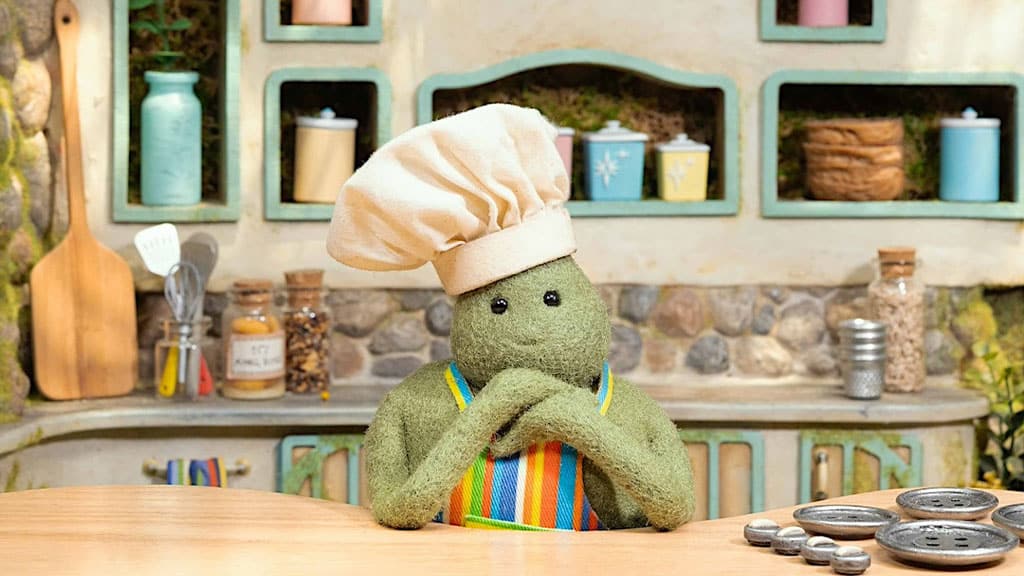
“I’m a believer that no matter what age you are, we like stories in which characters grow as people,” Gershowitz explains. “Whether you are telling a story for a preschooler or whether you’re watching a feature film that’s intended for older audiences, we love going on these journeys with characters as they overcome their challenges.”
Jordan brings that ethos to every project. “My writing style doesn’t really change. It’s really just being mindful of who the audience is and how I’m going to tell that story.” Clawdeen from Monster High or Tiny Chef could also dread public speaking, not just Snoopy, he says, but the story might change slightly. “It’s a different age group that’s watching,” he explains, “How do we meet the audience where they are?”
“Working with Jordan was, quite simply, one of those collaborations that reminded you why this industry can be so exciting,” France says. “He’s deeply story-driven, but he never loses sight of the world around the story: the universe, the characters, the extensions, the way a show can live beyond the screen.”
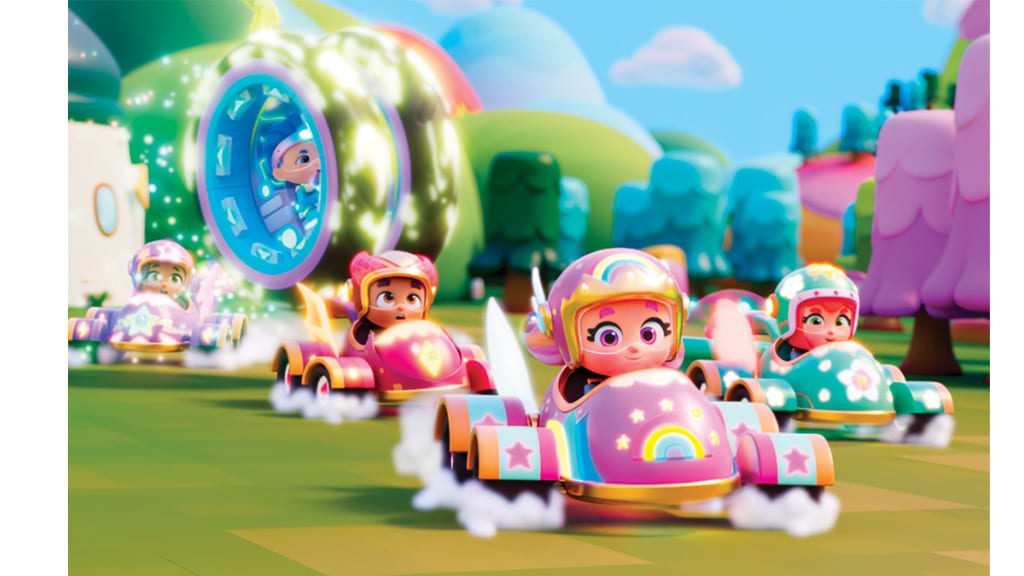
“Cars are why you get butts in the seats,” Gershowitz says, but that doesn’t mean the racetrack can’t offer more fast cars. “What makes you come back beyond the amazing action set pieces that our team creates is because we identify with Coop and his friends, right?” Gershowitz had never been to a race before he wrote for Hot Wheels Let’s Race, much less Karters. “But I know what it’s like to be the new kid at camp. I know what it’s like to be unsure of myself,” he says, which is an experience viewers can relate to more than launching off a ramp into the stomach of a dragon. “It’s like channeling those human emotions and those human experiences into the story,” he adds, “at the core, you’re also identifying and being really excited about the opportunity to see yourself in the characters.”
Storytelling doesn’t end in the writer’s room for Gershowitz. From the toy aisle to the playroom, his son has questions about action figures and yet-to-be-known characters. “He goes, ‘Tell me all the characters,’” he says. “He’s like, ‘“Tell me all the characters I don’t know.’” With Gershowitz at the helm, at home or at work, the stories and opportunities to spin a new tale will never end.
“Jordan is genuinely one of the most talented and forward-thinking people I’ve had the pleasure of working with,” France shares. “I have no doubt his best work is still ahead of him.”
Stay on the Pulse of Play!
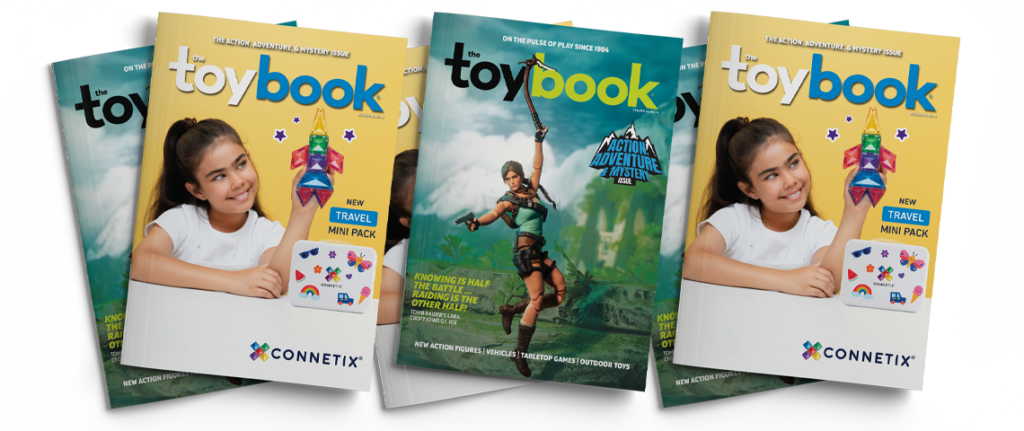
A version of this feature first appeared in The Toy Book‘s 2026 Action, Adventure, & Mystery Issue. Read the full issue here!
Want The Toy Book delivered straight to your desk? Subscribe today and get seven big issues a year — packed with the stories, trends, and insights that keep you on the #pulseofplay.
