
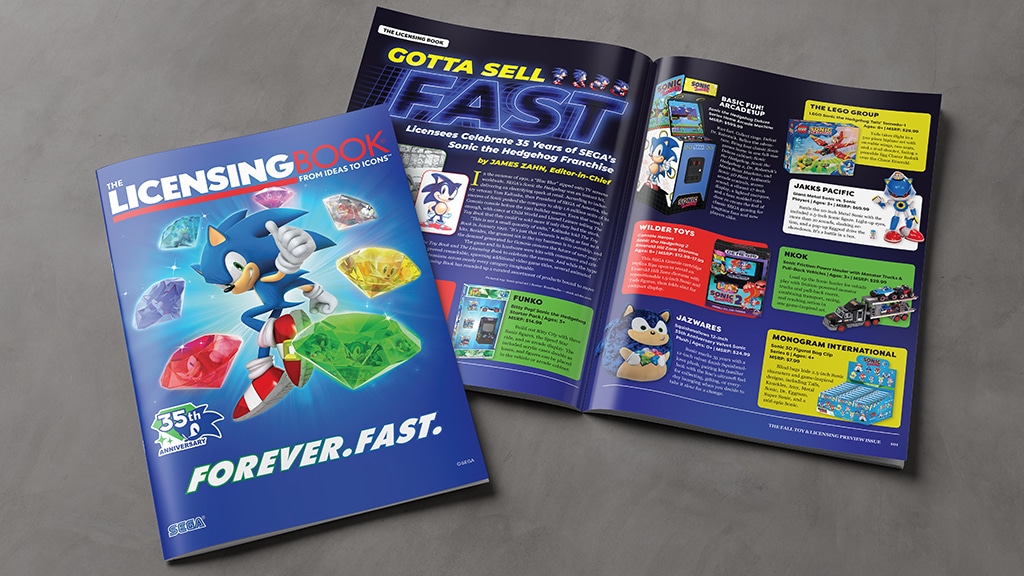
I always say that “toys are serious business,” and they are. But in a year like this one, when we pop the hood and see what’s really powering the business, licensing sits near the top of the list.
The licensing industry is clawing its way toward the $400 billion mark. Based on recent data and reports from Licensing International and Brandar Consulting, License Global, and Circana, the industry could hit that mark in just a few years. While the metrics vary, the consensus is that licensed toys and games are worth around $46 billion. Overall, sales of licensed goods have continued to outpace the rest of the retail market, up 5.45%, year-over-year, according to Licensing International’s 2026 Global Study.
Circana says that licensed toys and games accounted for 39% of total toy sales in the U.S. for the first half of the year, up two share points versus last year. Within that, growth in sports licensing is the big story (see page 86), driven by FIFA, MLB, NFL, and NBA products.
The East Coast/West Coast toy titans at Hasbro and Mattel are among the world’s top licensors, standing tall alongside The Pokémon Company International, Sanrio, and reigning champ The Walt Disney Company. Warner Bros. Discovery and Paramount (now merged under Skydance with ex-Mattel Chief Ynon Kreiz as Co-CEO), NBCUniversal, and BBC Studios remain major players, while Jazwares, The LEGO Group, Crayola, and others continue extending their own IP.
Looking ahead, toys and games rank third behind fashion and food and beverage among the most important categories for IP owners and agents over the next 18 to 24 months, according to a survey for License Global’s 2026 Top Global Licensors white paper.
So what comes next as the business charges through Brand Licensing Europe and into 2027? After months of conversations across the industry, our team at Adventure Media & Events, publisher of The Toy Book and The Licensing Book, has some thoughts.
SPINNING PROFITS
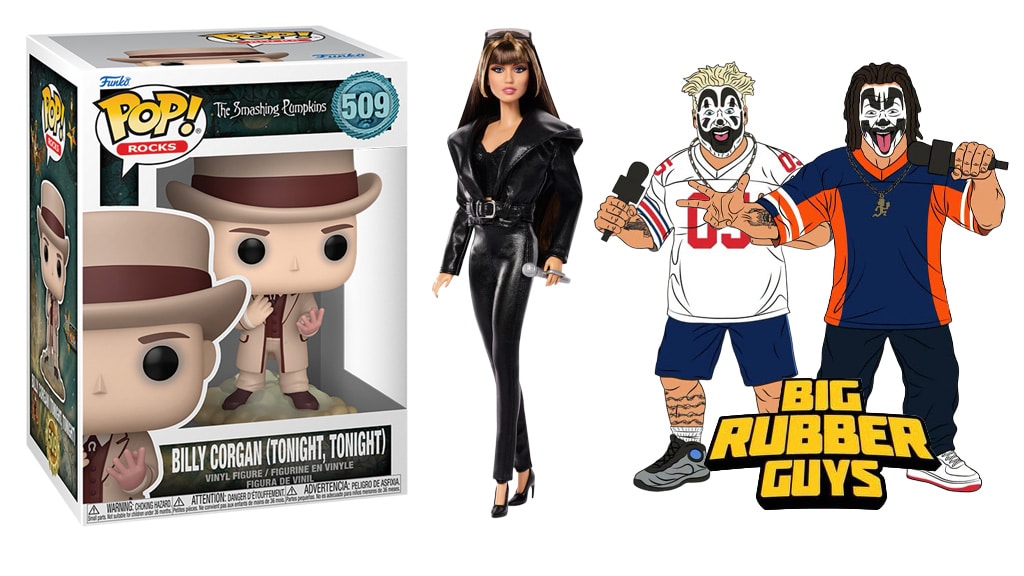
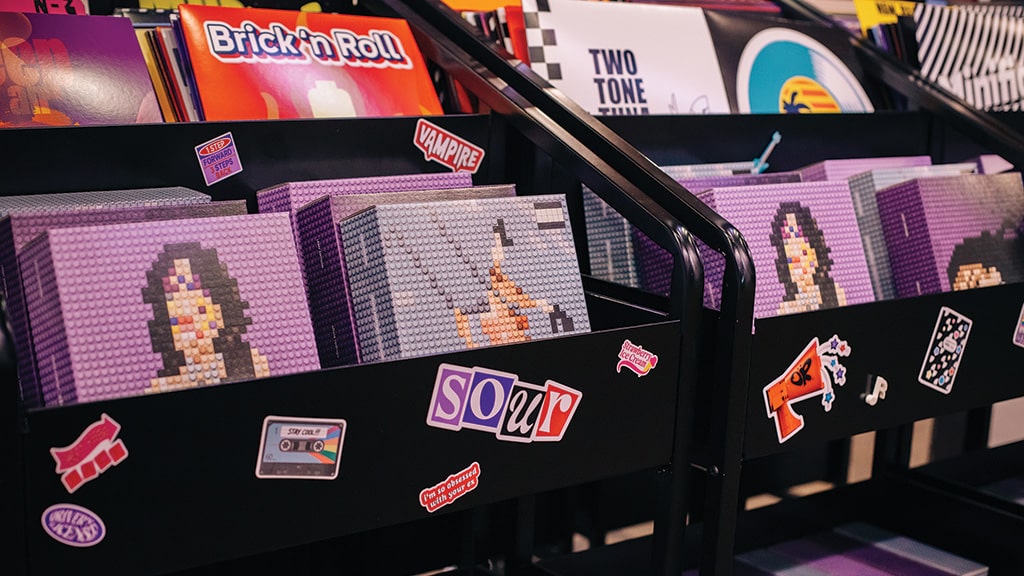
Olivia Rodrigo has LEGO sets. The late Ozzy Osbourne is headlining a Halloween Horror Nights haunted house. MGA Entertainment and ZURU are battling over miniature albums and record players. The Smashing Pumpkins’ Billy Corgan is a “Tonight, Tonight” Funko Pop! Miley Cyrus and Whitney Houston are Barbie dolls. Megan Moroney is an American Girl. Mötley Crüe and Insane Clown Posse are joining MAJOR’s Big Rubber Guys. And L.O.L. Surprise! took its Music Festival dolls to Lollapalooza this summer with Jennie.
The opportunity is timing: connecting products and experiences to an album release, tour, anniversary, defining era, or cultural moment. Music licensing has plenty of room to run.
SPEED TO MARKET NEEDS A TURBO BOOST
“Speed to market” has to stop being a conference-room catchphrase and become standard operating procedure. That means faster dealmaking, approvals, production, and retail execution.
Funko is pushing in that direction with its “rapid response” and “hyper strike” initiatives, but too few companies get product into fans’ hands while an emerging IP is still surging. Long-lead preorders are not enough.
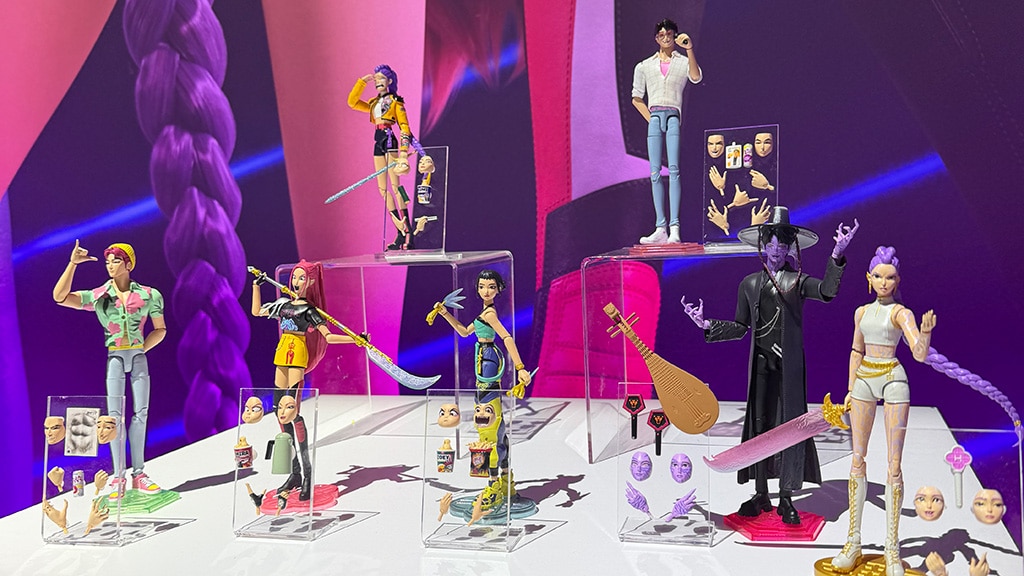
Could cinematic properties like Backrooms and Obsession have benefited from a timely collectibles release earlier this year? The scaling of 3D printing in the U.S. is happening, and continued innovation is a compelling prospect. If knockoff factories could get unlicensed KPop Demon Hunters dolls produced and sold through U.S. e-commerce marketplaces within four months last year, there’s no acceptable reason why the industry is nearly a year behind. Which leads us to…
DIGITAL IP PROTECTION
E-commerce marketplace platforms, including those operated by the world’s largest retailers, are flooded with unlicensed merchandise across every category. Brand protection units are in place, but consumers are still inundated with counterfeit products in nearly every search. Anime and video game properties seem especially vulnerable, but no IP is immune. Stronger enforcement cannot remain an afterthought. If everyone in the industry can see the bootlegs, why aren’t retailers moving faster to remove them?
FROM IP TO IRL: EVOLVED
We covered location-based experiences heavily in our May 2026 issue, and the pace has accelerated. Pop-ups, touring productions, and permanent attractions are multiplying.
The next evolution is more literal: Build the place from the property.
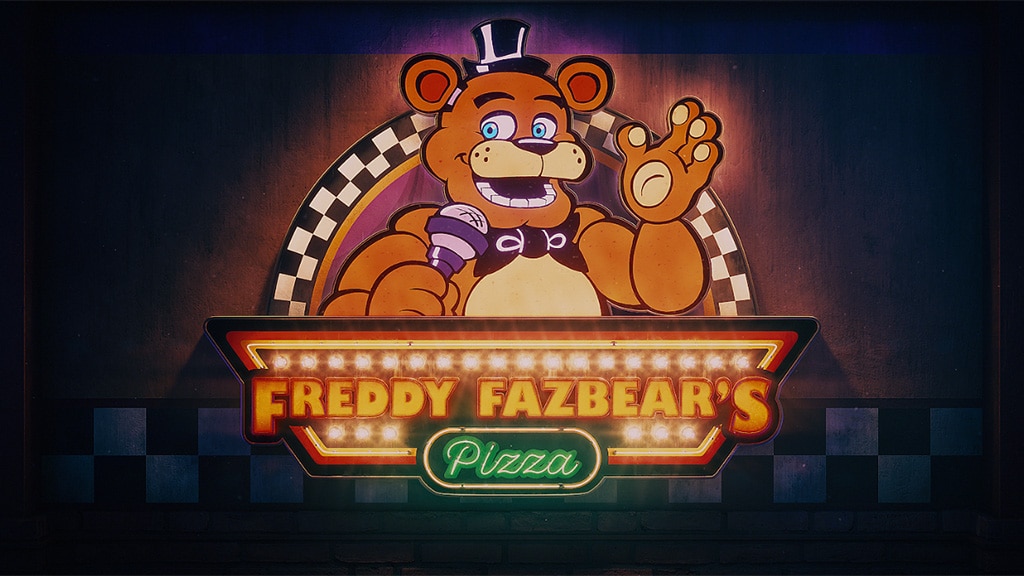
Freddy Fazbear’s Pizza from Five Nights at Freddy’s opens at American Dream next year. Come for the pizza and a show. Pick up the toys on the way out.
CAREFUL CURATION
“Slicensing” and SKU overload have created an overproduction problem that many acknowledge privately. Manufacturers have spent years talking about rising royalty rates, minimum guarantees, and minimum order quantities. Licensed inventory, meanwhile, continues to wash into off-price and closeout channels where IP dilution becomes a concern. Some consumers are moving toward fewer, more meaningful purchases. The industry needs a better balance, but overall, things are good, and smarter planning will keep it that way.
As companies prepare to strike the deals behind the next wave of products and experiences, the pages ahead spotlight some of the biggest licensed hits of the moment, along with a few major anniversaries worth celebrating.
It’s a licensed world, and we’re all just playing in it.
Stay on the Pulse of Play!
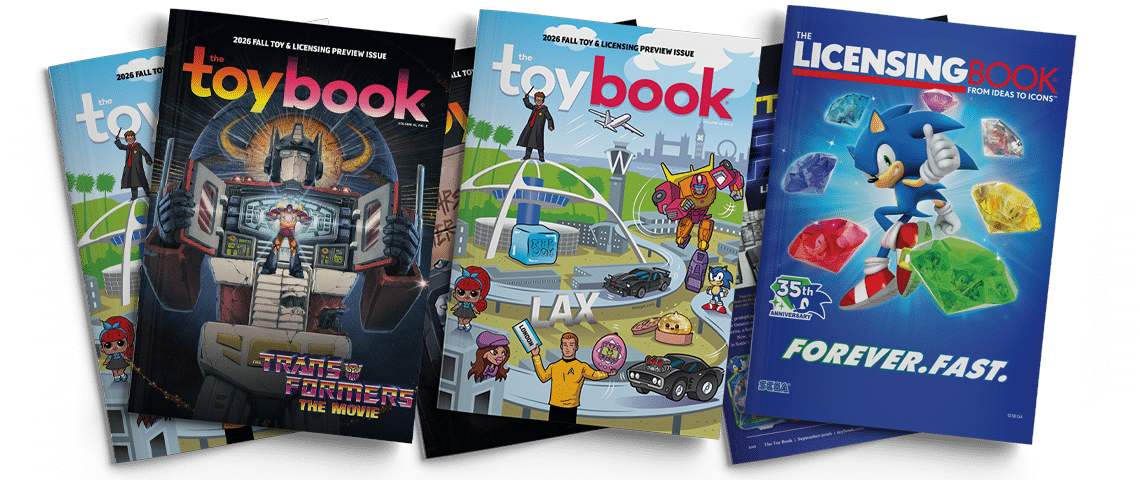
A version of this feature appears in The Toy Book‘s 2026 Fall Toy & Licensing Preview Issue, featuring The Licensing Book. Read the full issue here!
Want The Toy Book delivered straight to your desk? Subscribe today and get seven big issues a year — packed with the stories, trends, and insights that keep you on the #pulseofplay.
