The Toy Book catches up with Robin Motts, Senior Vice President, General Merchandise Manager, Hot Topic, Inc., for a conversation about fan retail, the big wins at Hot Topic and BoxLunch, and the balance between nostalgia and emerging brands, as part of our annual State of the Industry Q&A series.
What were some of the biggest wins at Hot Topic and BoxLunch last year?
One of the biggest wins was diversification across both partners and product expression. Expanding our partner base drove success with newer companies like Thrilljoy and Kaleidos, while newer formats — from the growing bag clip category to artist-designed products — unlocked fresh points of engagement. These areas allowed us to blend creativity and collectability in a way that felt new, intentional, and highly resonant with our customers.
Which consumer behaviors do you believe will define fan retail in the year ahead?
Fan retail is ultimately about emotional connection and timing. Customers respond when a product shows up at the right moment and feels tied to something they genuinely care about. Discovery is happening faster than ever, which means expectations are higher across both online and in-store. Digital often drives awareness, but physical retail still matters when it delivers immediacy and an experience that feels worth the trip.
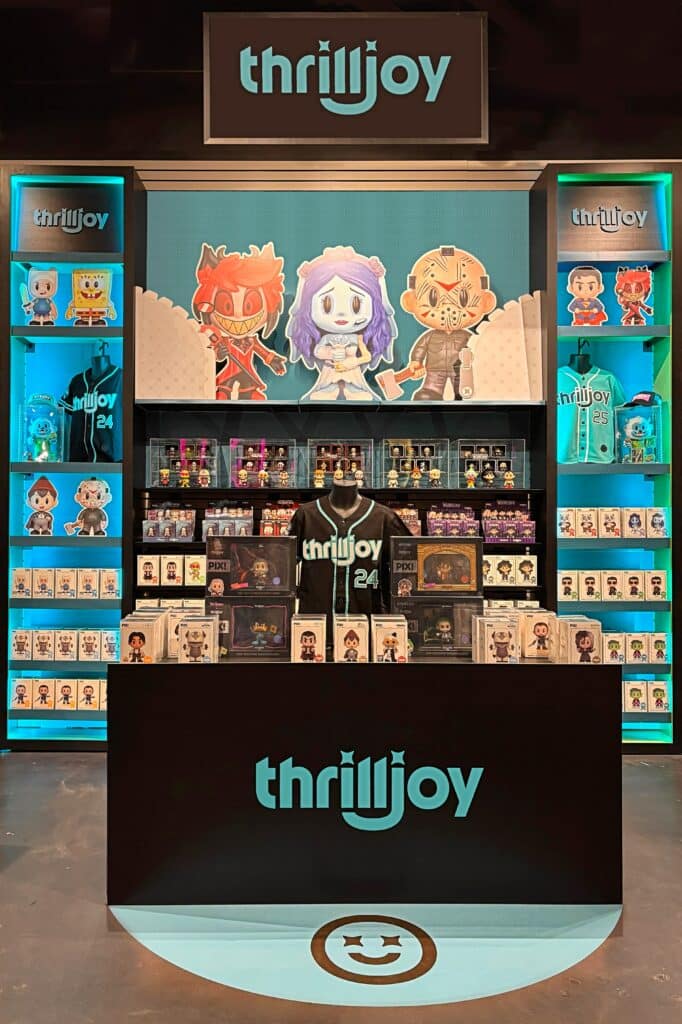
On the Thrilljoy note, you partnered with them for a first-of-its-kind in-store shop at several Hot Topic locations. Why was it important to explore this relationship, and does it signal an expansion of “retail theater” going forward?
We believe strongly in continuing to evolve our store formats to reflect how customers are engaging with product today. Partnering with emerging brands like Thrilljoy allows us to do that in a way that feels authentic and forward-looking, while also helping push the industry forward. Thrilljoy’s approach to limited runs and intentional scarcity creates excitement and discovery in a physical retail environment, making them a natural partner for an in-store experience. We are always looking for ways to evolve store presentation and the shopping experience — and we do see retail theater as an important part of that evolution. We have additional ideas planned as we look ahead to 2026.
How did licensed collectibles and fashion trends evolve across your stores over the past year, and which fandoms surprised you most?
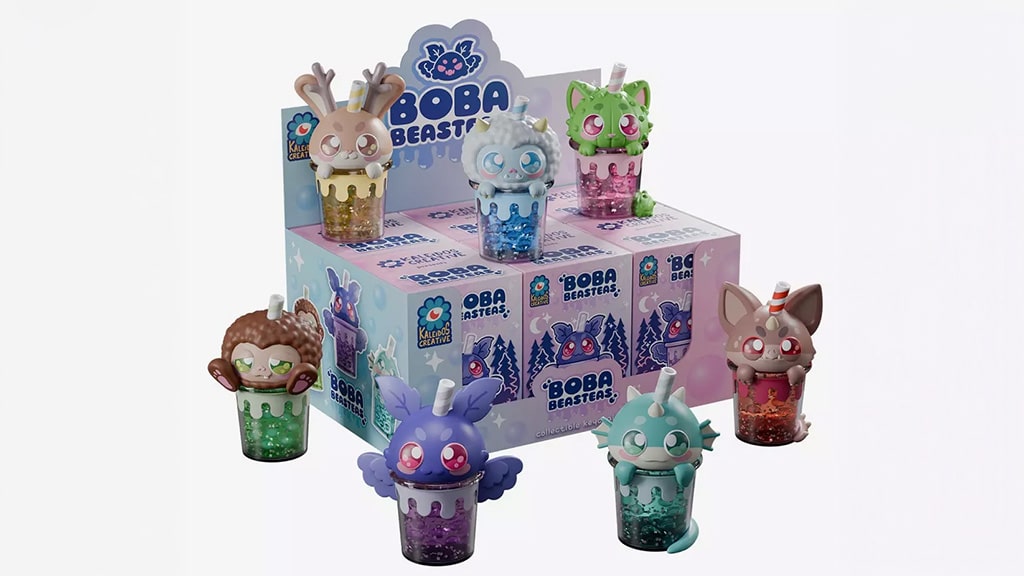
Over the past year, increased participation from both domestic and international companies has helped shape trends across licensed collectibles and fashion. The creativity and innovation coming into the market challenged us in a positive way and pushed us to level up how we approach the category — from formats and packaging to store presentation and marketing. We also saw artist-driven products gaining momentum, particularly in Asian markets, reinforcing the growing appetite for design-led, creator-forward collectibles. That insight played a role in our decision to pursue partnerships like Kaleidos Creative, an artist-led company that aligns with where we see the category heading. Together, those dynamics created momentum across the business and reinforced the importance of continually raising the bar for how these products show up in our stores.
From a fandom perspective, Stranger Things continued to stand out. While we expected the franchise to remain strong, the depth of engagement we saw over the past year exceeded expectations and translated into record performance in 2025. It shows just how passionate and invested our audience remains in a story that has unfolded over more than a decade — and one we’ve had the opportunity to be part of alongside them from the beginning.
How would you describe the current balance between nostalgia-driven IP and emerging franchises across your consumer base?
We see equally strong opportunities on both sides, as long as we’re grounded in what nostalgia actually means to our customers. Nostalgia isn’t one-size-fits-all — it varies by brand, age, and demographic. On the emerging franchise side, we rely heavily on a fandom-focused team and customer data to maintain a robust pipeline of new properties that we’re continuously testing and reacting to. We work hard to have both nostalgia and emerging franchises thriving at the same time.
With the acceleration of theatrical and streaming cycles, how have your product development and buying strategies adapted to increasingly trend-driven release windows?
We’re continually tracking and re-evaluating peak selling windows and adjusting assortment timing as customer attention spans shift. When a property starts to break, timing is everything, which is why we work with partners and studios to fast-track select production lines and prioritize the IPs moving the fastest.
How are you leveraging retail exclusives and micro-collaborations to maintain differentiation as competition for licensed products intensifies?
We work closely with our studio and vendor partners to ensure we have suppliers willing to design specifically for us. That approach allows us to support strong core lines already in the market while also developing exclusive products that round out the assortment, reinforce our brand point of view, and keep the offering feeling unique.
Which consumer behaviors do you believe will define fan retail in the year ahead, both online and in-store?
Fan retail is ultimately about emotional connection and timing. Customers respond when a product shows up at the right moment and feels tied to something they genuinely care about. Discovery is happening faster than ever, which means expectations are higher across both online and in-store. Digital often drives awareness, but physical retail still matters when it delivers immediacy and an experience that feels worth the trip.
Stay on the Pulse of Play!
A version of this feature first appeared in the 2026 edition of The BIG Toy Book. Read the full issue here!
Want The Toy Book delivered straight to your desk? Subscribe today and get seven big issues a year — packed with the stories, trends, and insights that keep you on the #pulseofplay.